Social & External
The people behind it
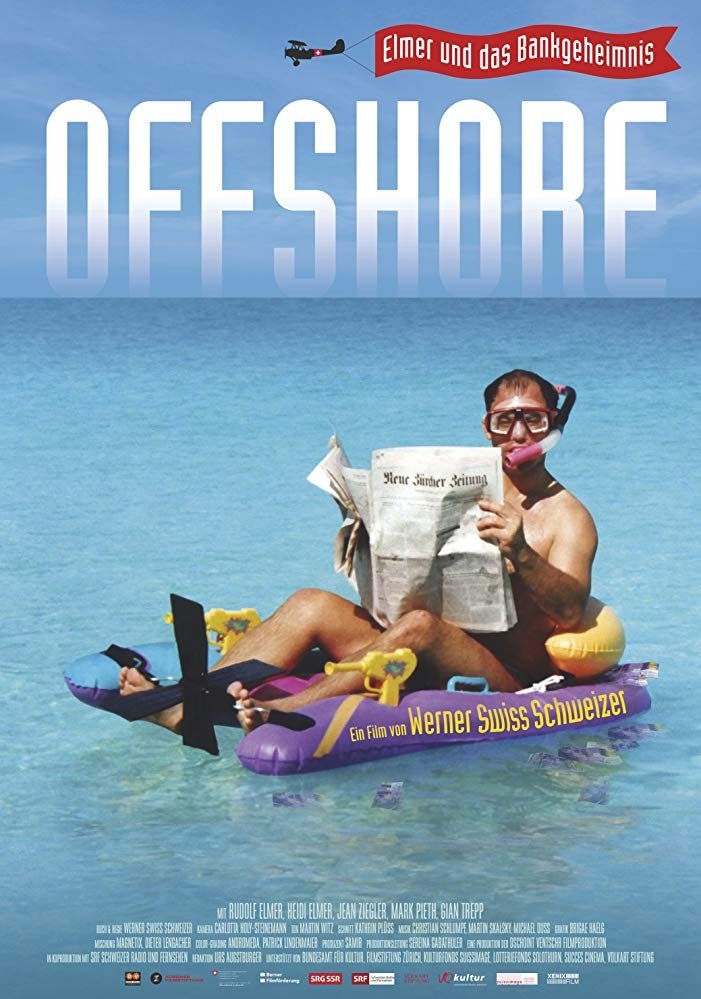
While managers of Swiss banks in the USA ruefully apologize for their tax evasions practices and customer data is disclosed to the American authorities, Rudolf Elmer, former auditor at bank Julius Bär, is indicted for violating the Swiss banking secrecy law on the Cayman Islands. Rudolf Elmer: from insider to critic.
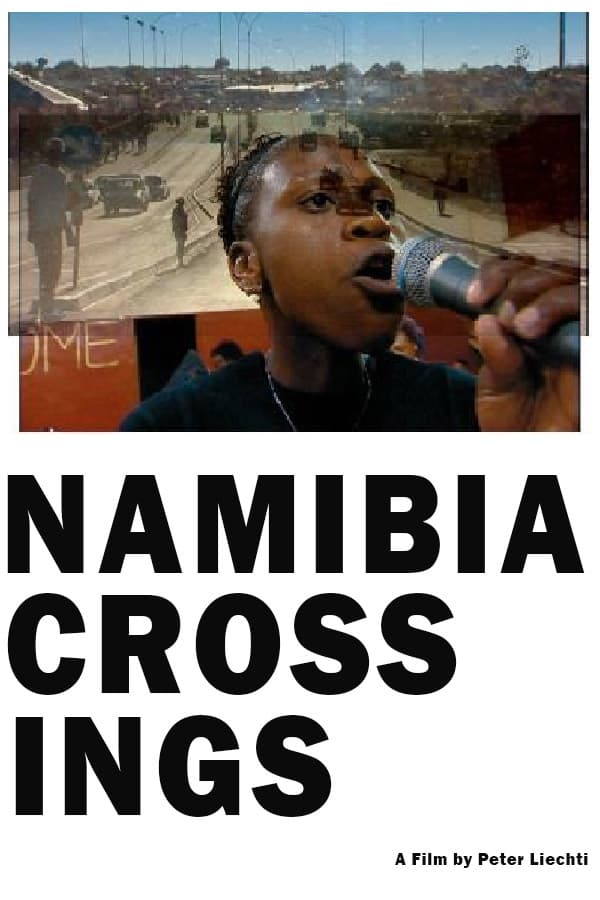
“Namibia Crossings” takes a trip through a country of archaic beauty and bizarre contradictions. The film creates polyphonies of soulful landscapes made up of each individual's highs and lows.
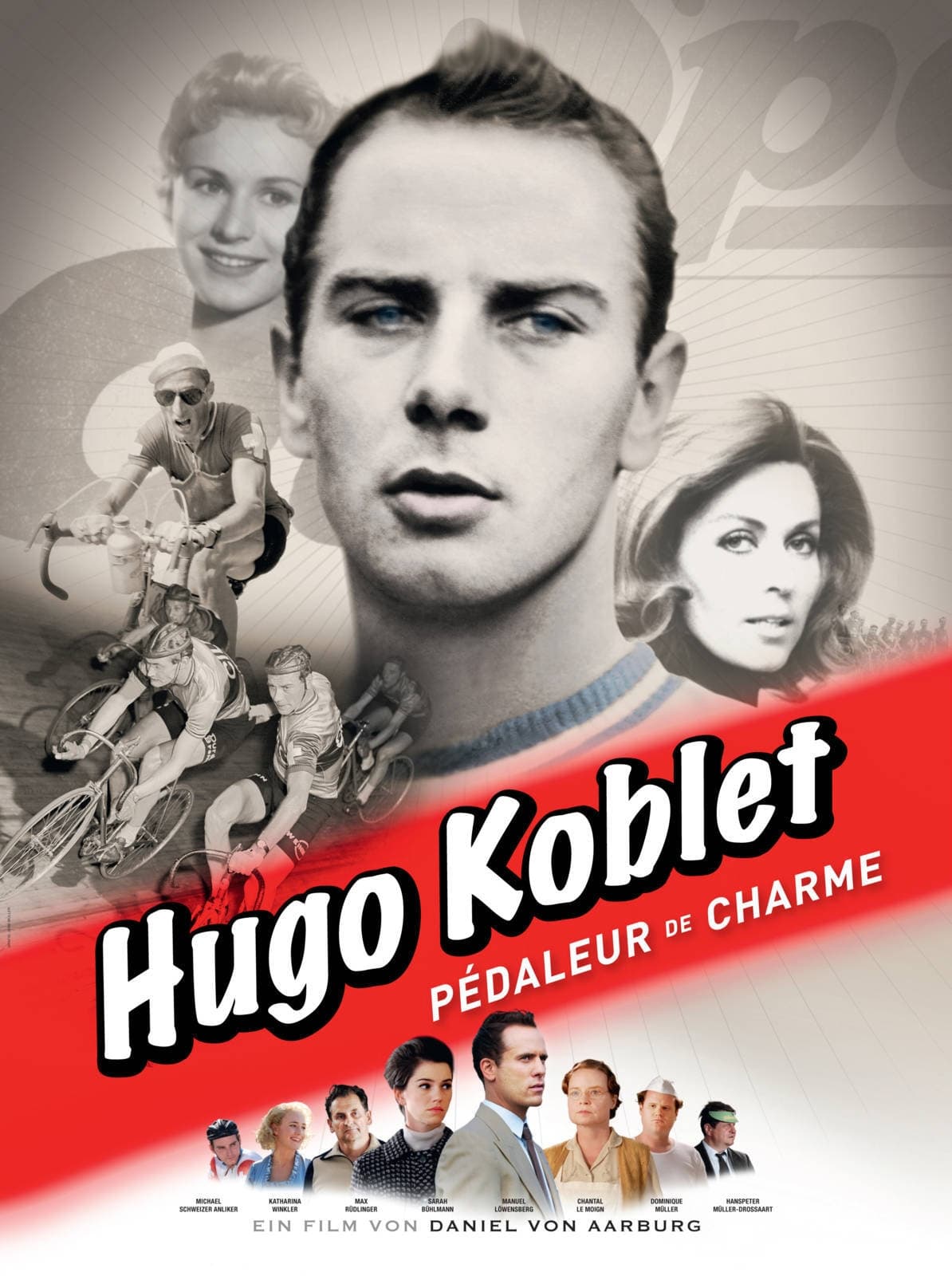
Zurich-born Hugo Koblet was the first international cycling star of the post-war period. He was a stylist on the bicycle and in life, and a huge heartthrob. Koblet had a meteoric rise and won the Giro d'Italia in 1950. Once he had reached the zenith of his career, Koblet was put under pressure by overly ambitious officials and ended up ruining his health with drugs. In 1954, he married a well-known model and they became a celebrity dream couple. After his athletic career ended, Koblet began to lose his footing. Threatened by bankruptcy, he crashed his Alfa into a tree.
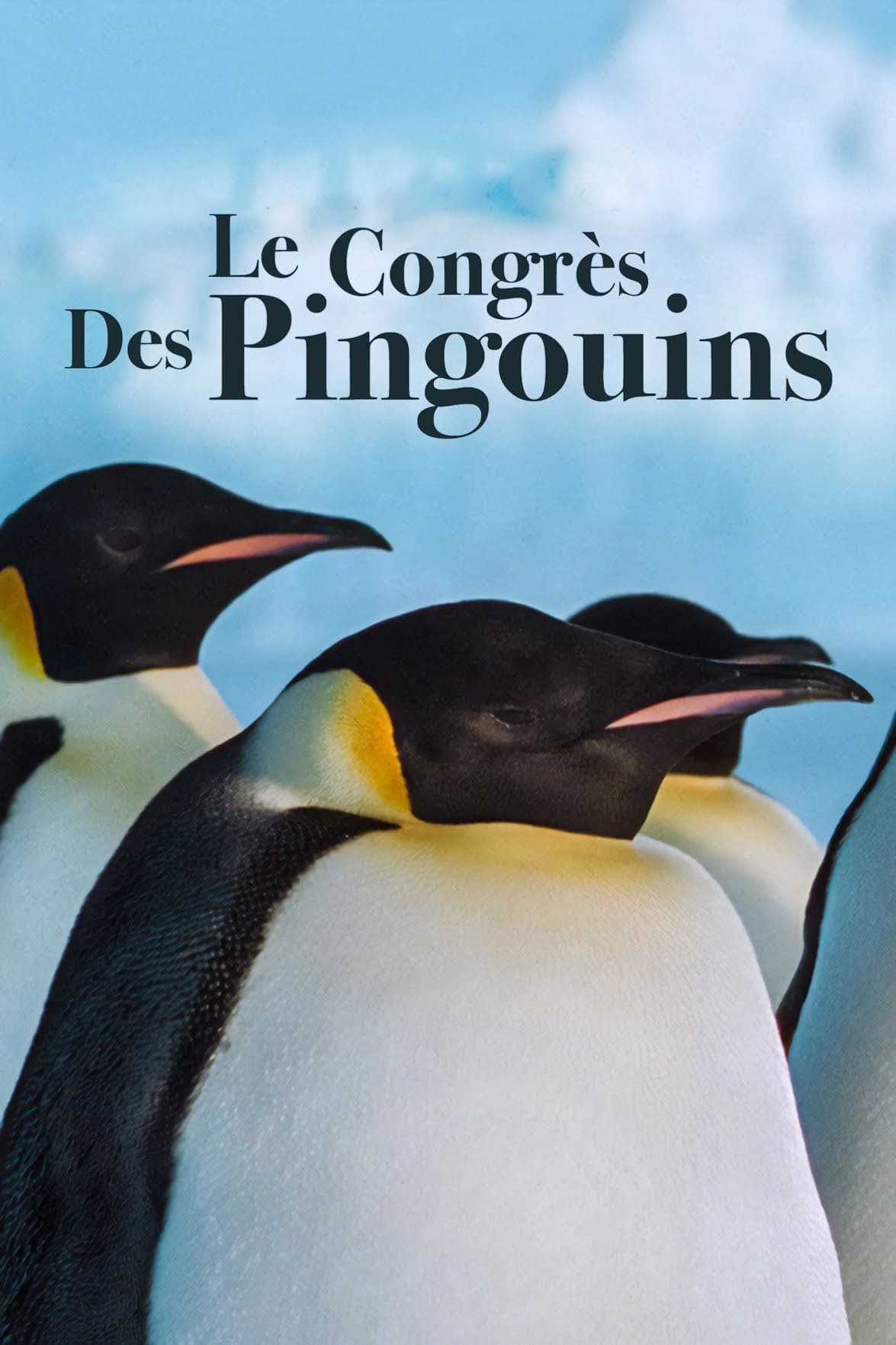
The real place where the penguin congress takes place is also the most fictional place on this planet where you can stand on your own two legs. Here, even the animals can talk. This land of dreams and nightmares is called Antarctica. In this desert of ice surrounded by a stormy sea, a few dozen human beings also live. Using sophisticated instruments, they observe the worrying changes affecting our world: the hole in the ozone layer, climate change, and so on.
This documentary follows Swiss improvisation musicians and tells their stories.
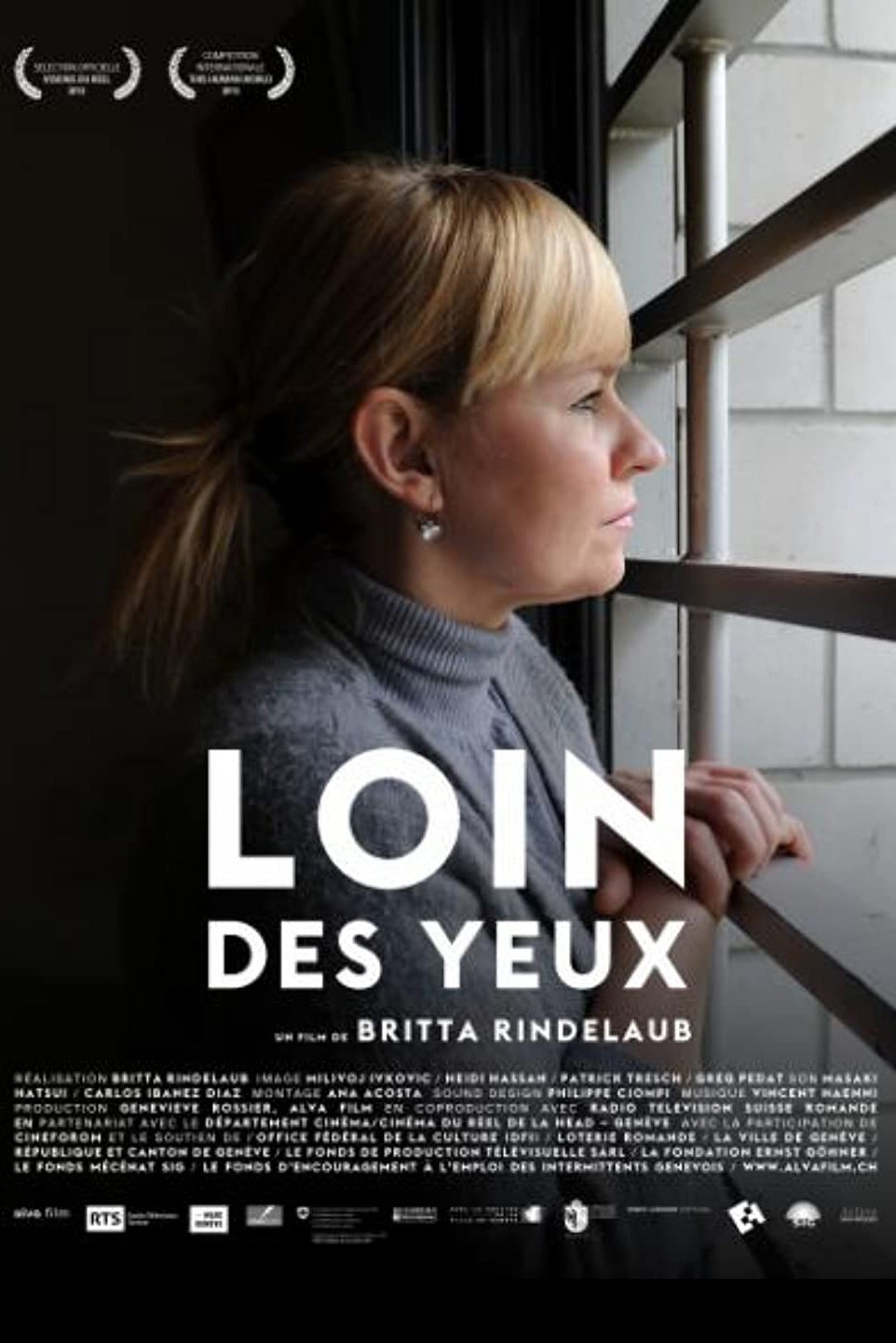
Thirty female prisoners share the convicts’ ward of Tuilière Prison at Lonay. More than half of them have one or more children being raised elsewhere: with a sister, in a foster family, or – further away still – in their countries of origin. In portraying some of these women, the film sheds light on these mothers and the bond that ties them to their children.
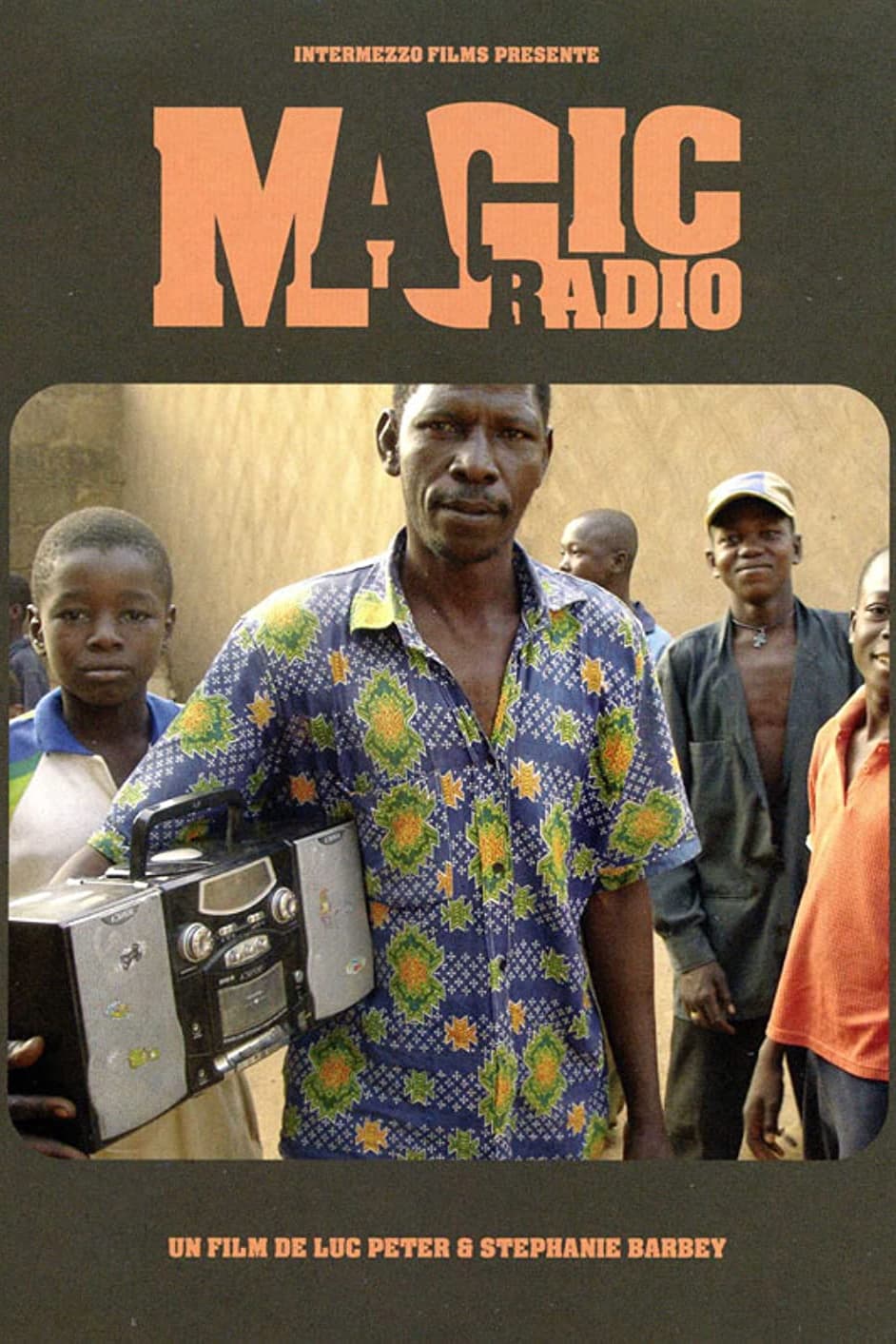
Radios echo across Niger, connecting lives through news, music, and debate. This gripping doc explores how this everyday device becomes a lifeline in a changing nation.
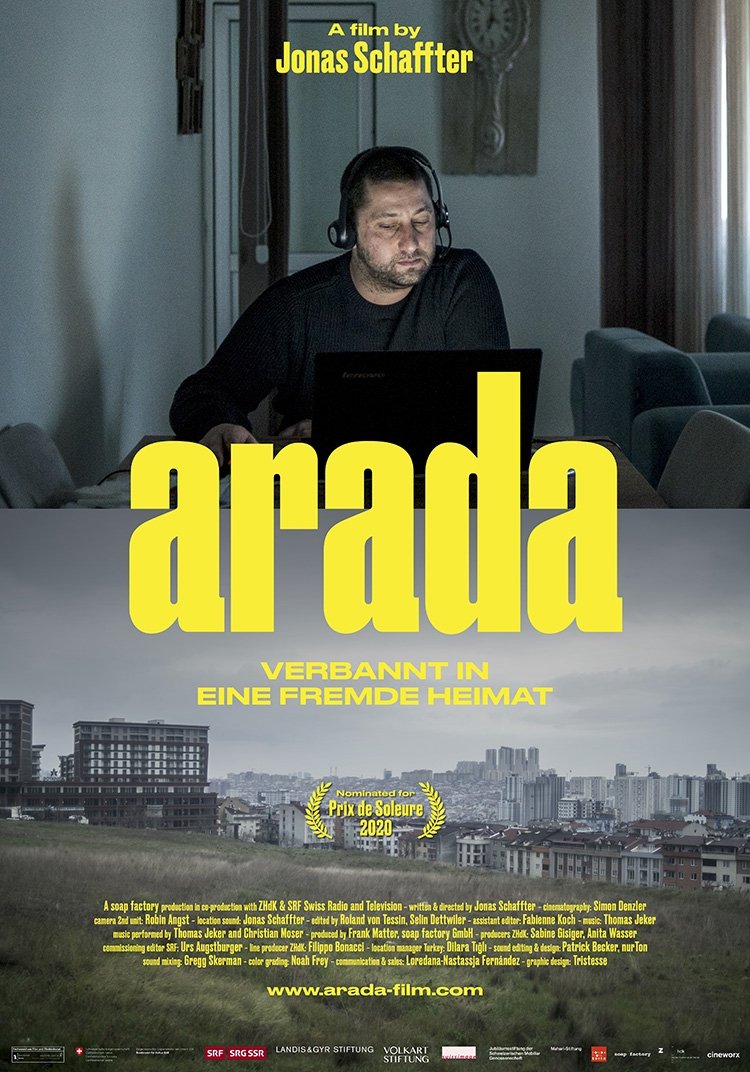
The story of three Turkish men. They all grew up in Switzerland and all got deported after various criminal offenses.
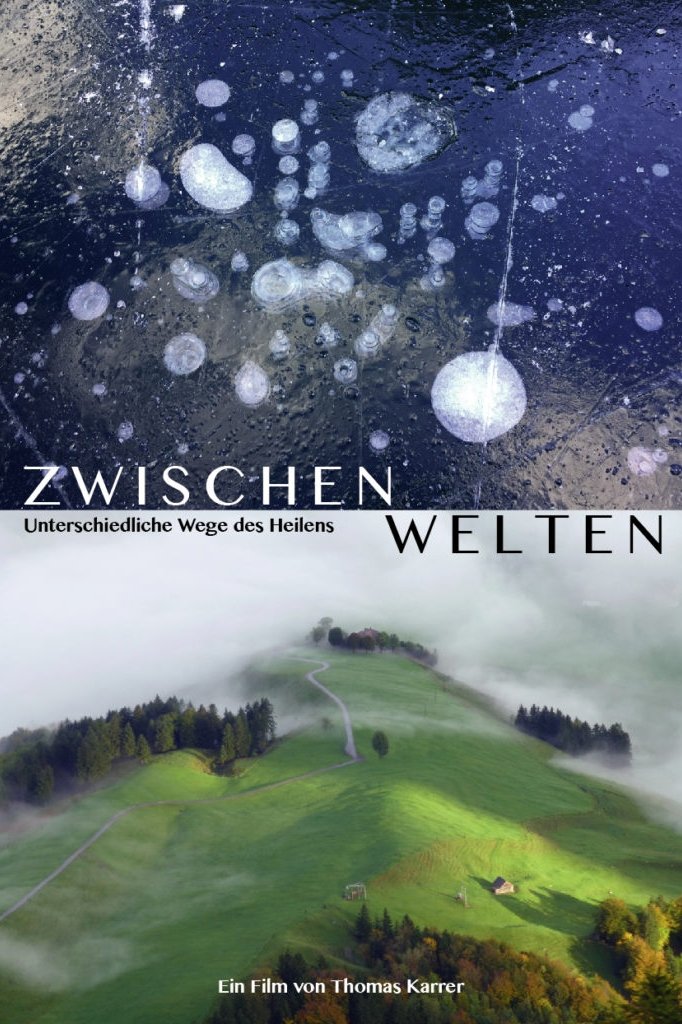
A documentary about healers from the Swiss canton of Appenzell.
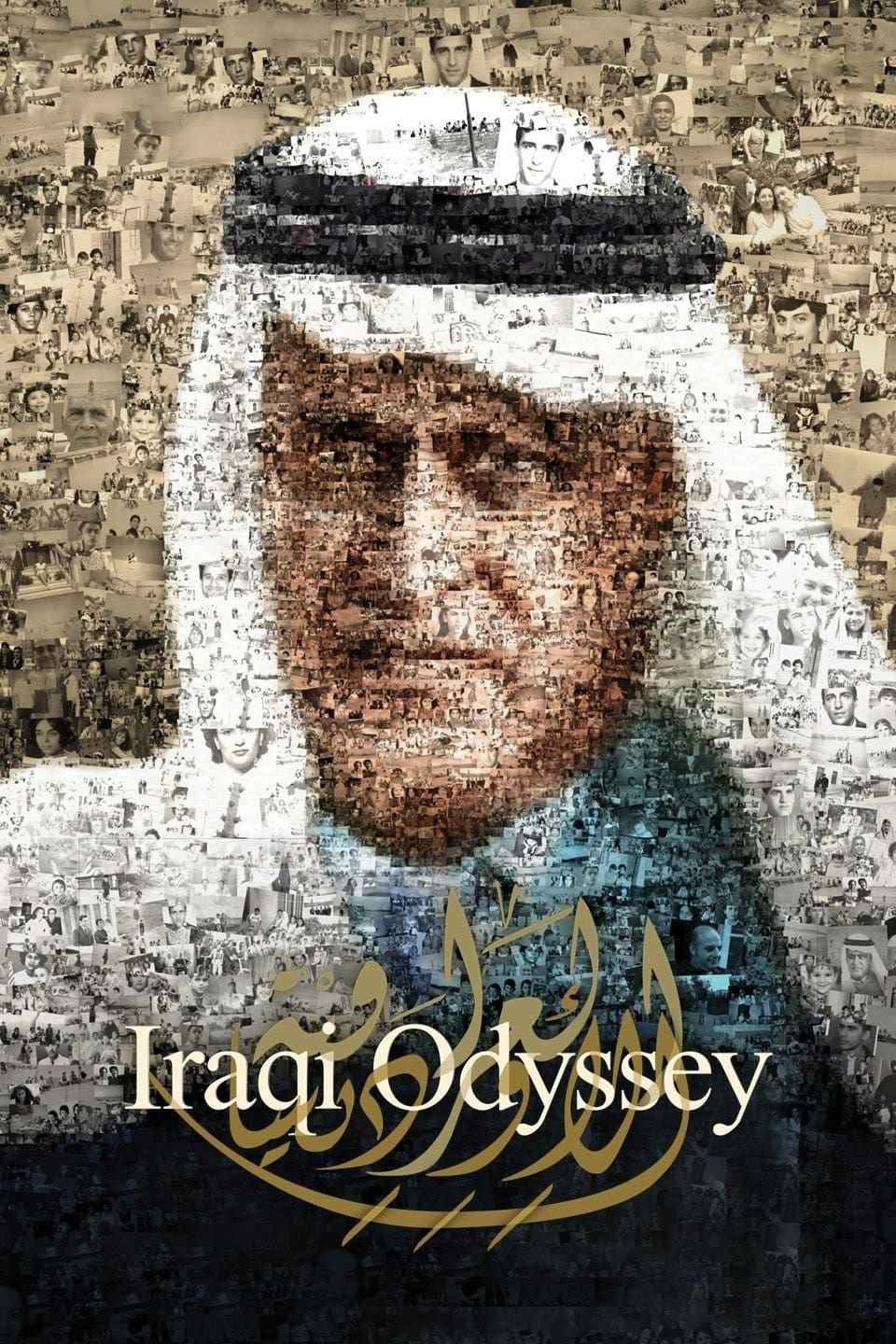
Tracing the emigrations of his family over more than half a century, this riveting documentary epic from acclaimed expatriate Iraqi filmmaker Samir pays moving homage to the frustrated democratic dreams of a people successively plagued by the horrors of dictatorship, war and foreign occupation of Iraq.
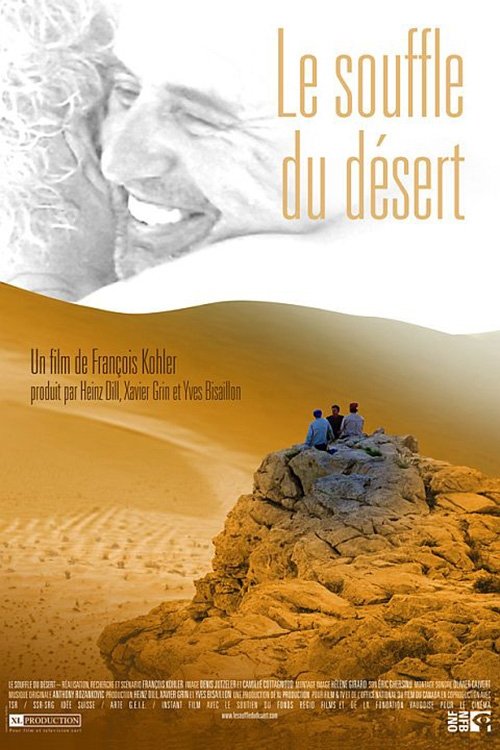
A disturbing exploration of what it means to be a man Desert Wind unveils the innermost thoughts of 13 men about their lives and male identity, making a clean sweep of clichés. Their revelations -- a glimpse of the hidden side that few men spontaneously reveal -- are of equal interest for women.
In an intimate and joyful story of love in the face of loss, celebrated poets Andrea Gibson and Megan Falley find strength—and unexpected hilarity—in what might be their final year together.
An inside look at one of the most anticipated movie sequels ever with James Cameron and cast.
Featuring interviews with filmmakers and industry legends, discover the origins and evolution of The Joker, and learn why The Clown Prince of Crime is universally hailed as the greatest comic-book supervillain of all time.
A feature length documentary about the all-women team at the helm of Pixar's original feature, Turning Red. With unprecedented behind-the-scenes access to Director Domee Shi and her core leadership crew, this story shines a light on the powerful professional and personal journeys that brought this incredibly comical, utterly relatable, and deeply heartfelt story to the screen.
A string of threatening emails escalates into a revenge plot involving a newly married US marshal and his ex-girlfriend.
The Making-of James Cameron's Avatar. It shows interesting parts of the work on the set.
A visual montage portrait of our contemporary world dominated by globalized technology and violence.
A documentary about the making of season five of the acclaimed AMC series Breaking Bad.
Through deeply personal interviews with her siblings and an examination of the photographs, letters, and belongings left behind, Mariska assembles a new portrait of her mother Jayne Mansfield, an extraordinary and complex woman.
A documentary on the expletive's origin, why it offends some people so deeply, and what can be gained from its use.
Al Pacino's deeply-felt rumination on Shakespeare's significance and relevance to the modern world through interviews and an in-depth analysis of "Richard III."
SEDUCED AND ABANDONED combines acting legend Alec Baldwin with director James Toback as they lead us on a troublesome and often hilarious journey of raising financing for their next feature film. Moving from director to financier to star actor, the two players provide us with a unique look behind the curtain at the world's biggest and most glamourous film festival, shining a light on the bitter-sweet relationship filmmakers have with Cannes and the film business. Featuring insights from directors Martin Scorsese, 'Bernando Bertolucci' and Roman Polanski; actors Ryan Gosling and Jessica Chastain and a host of film distribution luminaries.
Ranjit, a farmer in India, takes on the fight of his life when he demands justice for his 13-year-old daughter, the victim of a brutal gang rape. His decision to support his daughter is virtually unheard of, and his journey unprecedented.
A documentary about the life and films of director John Ford.
Musician and performance artist Laurie Anderson reflects on the deaths of her husband Lou Reed, her mother and her beloved dog.
The film follows adventurer Jeff Johnson as he retraces the epic 1968 journey of his heroes Yvon Chouinard and Doug Tompkins to Patagonia.
After the high-profile killing of Damilola Taylor, Cornelius' family move out of London. But when they discover their new town is run by racists, Cornelius takes a drastic step to survive.
Daniel Craig candidly reflects on his 15 year adventure as James Bond. Including never-before-seen archival footage from Casino Royale to the upcoming 25th film No Time To Die, Craig shares his personal memories in conversation with 007 producers, Michael G Wilson and Barbara Broccoli.
Amber Heard and Nicole Kidman discuss their characters Mera and Atlanna.
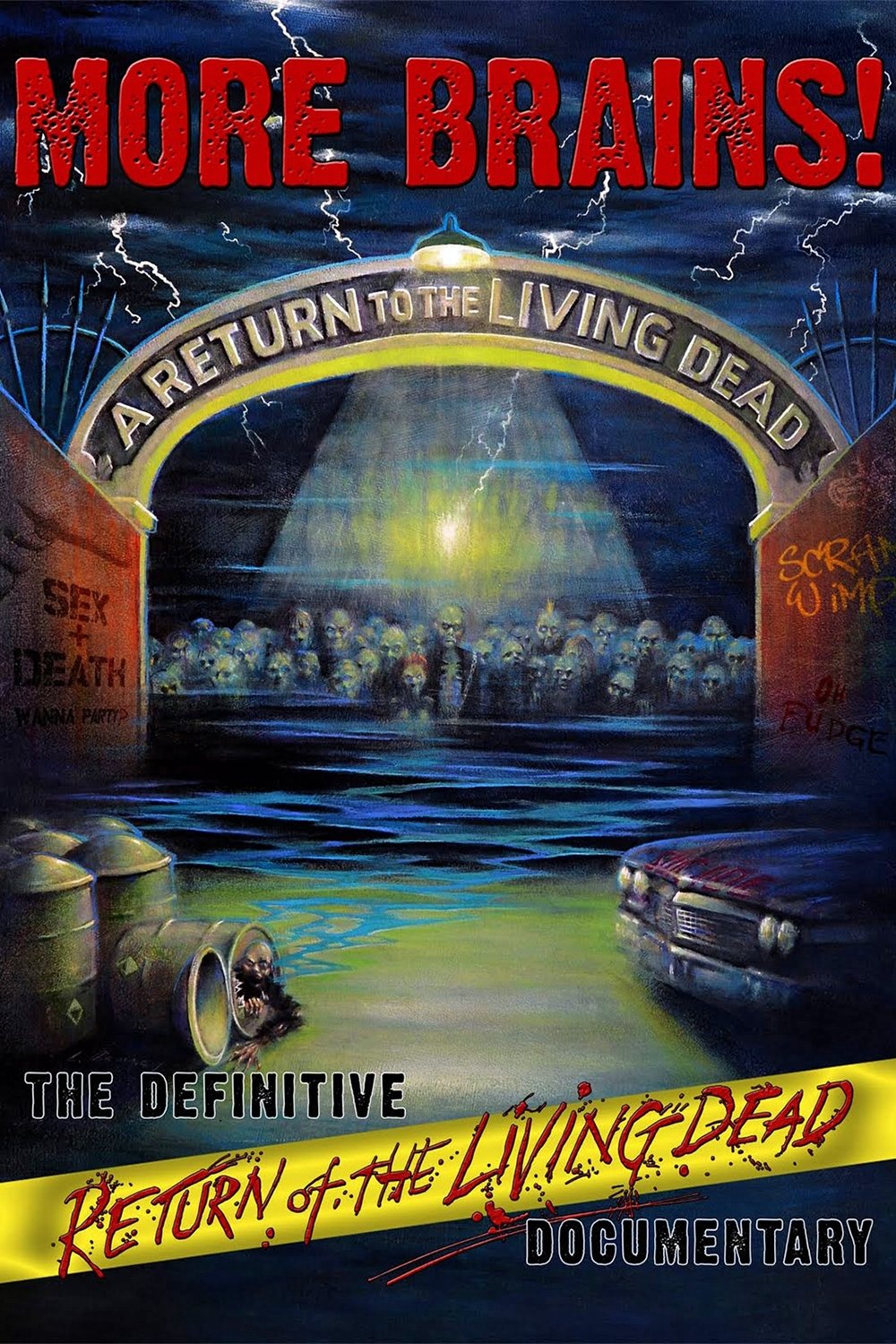
Retrospective documentary about the making of the horror cult classic "The Return of the Living Dead."