Social & External
The people behind it
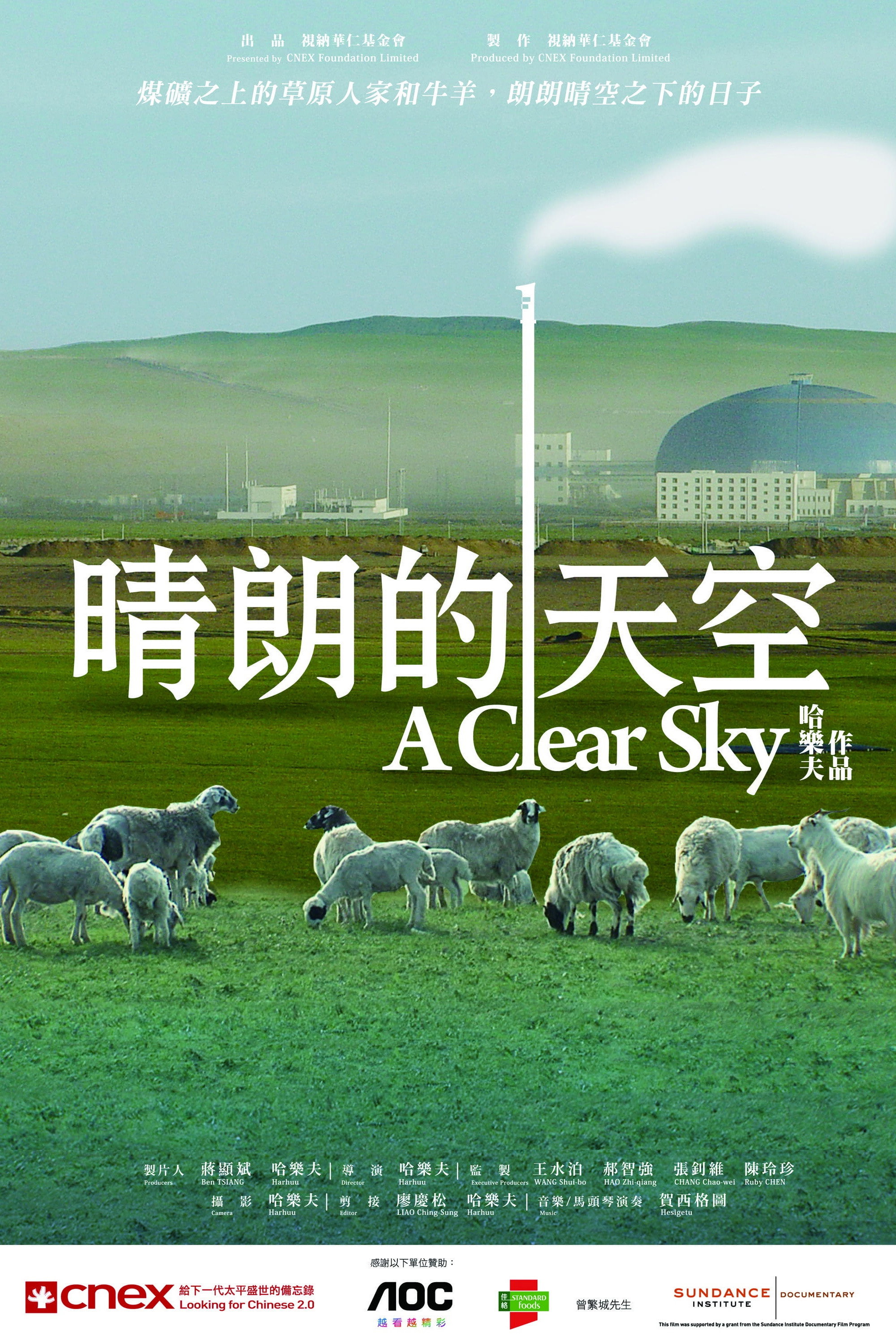
Xilin Gol grassland in Inner-Mongolia is one of few natural grasslands with high-quality pasture in China. When a rich coalfield is discovered under the ground of this beautifully natural scene, the nomadic herdsmen reluctantly migrate into the cities and wave farewell to their grassland. The water levels lower, plants die, and only sandstorms remain on the prairie.
The story of a girl attempted suicide for love and finally returned to religion.
This story is about the group's marvellous life without money.The film tell this story from six points of view: the screenwriter, the recording, the photography, the art, the performer and the director.
Scars, which are unfortunate or unexpected results, are also signs of healing. This new connective tissue replaces the process of injured tissues, and at the same time it becomes a metaphor for the pain and frustration of life: the sadness of the body, the union of pain... In short, scars have become a proof, a proof of existence, a proof of alive, a proof of pain, and a proof of a certain age. Beginning in 1949, in this vast land, these various scars, these healing marks, patterns, sad shapes, bring personal memories, collective pains, the marks of history, and come together Gaze, the meaning of the record. This film is the first part of the "Scar" project, the story of 110 Chinese scars.
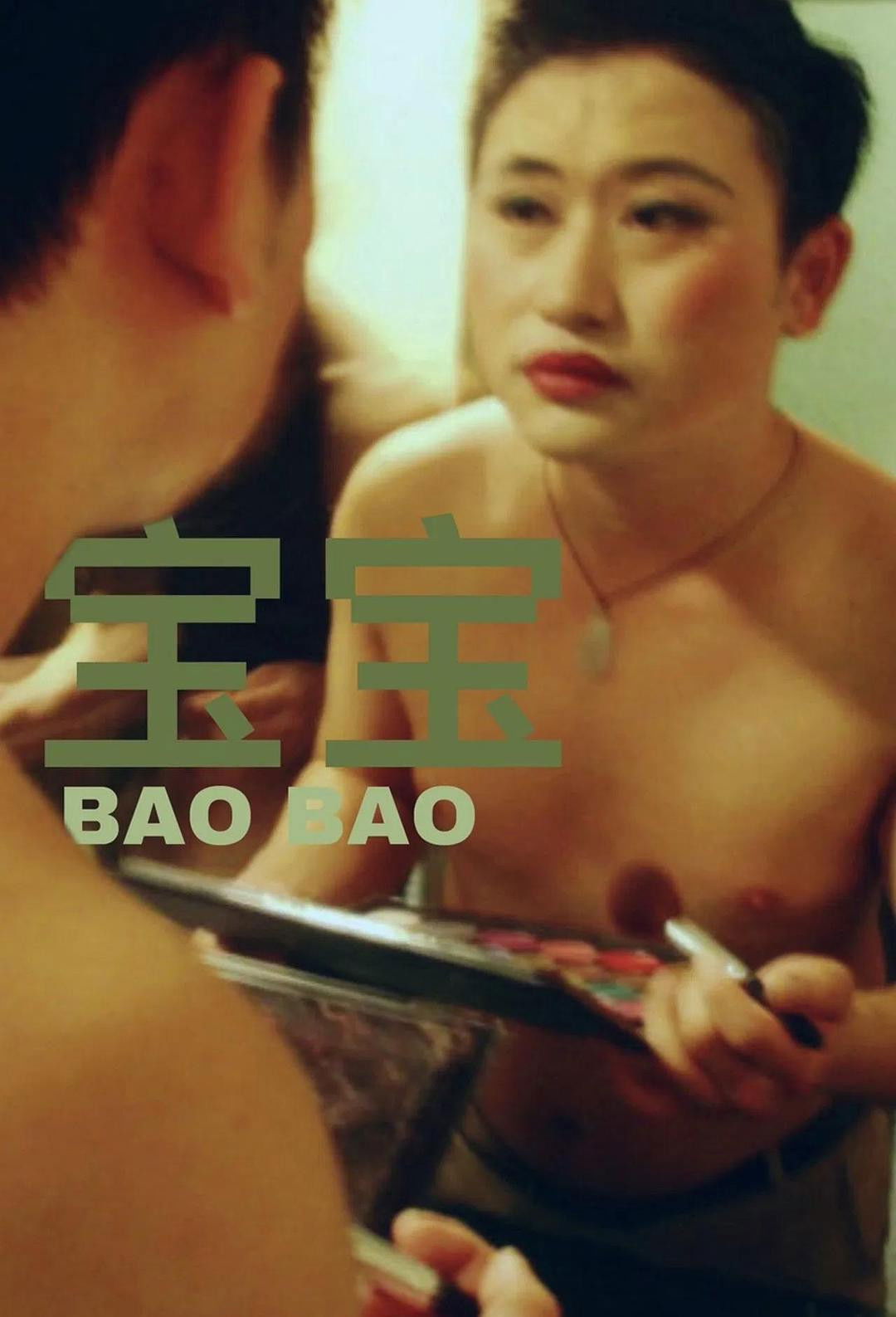
The baby is a temporary floating population. He works diligently, from a small restaurant owner to a tea shop manager to a bar manager. This film records the survival state of children centered and gay comrades: trivial, messy, boring, and entertaining themselves. The camera calmly captures every bit of their daily life for more than two years, and as time goes by, the changes the baby presents are more ordinary. The film calmly explains the relationship between "comrades" and "society", and the various small details interpenetrated in the film also metaphorically reflect the changes of today's society
This film is about the story of the main character and his younger brother, the younger brother saw the comic book of the main character, in his brain, he had a fight of animal chess related to memory. The younger brother belongs to the green party, the elder brother belongs to the orange party, at last the elder brother lost and the younger brother won in his consciousness, the younger brother took the elder brother to see the future elder brother in the heart of the younger brother.
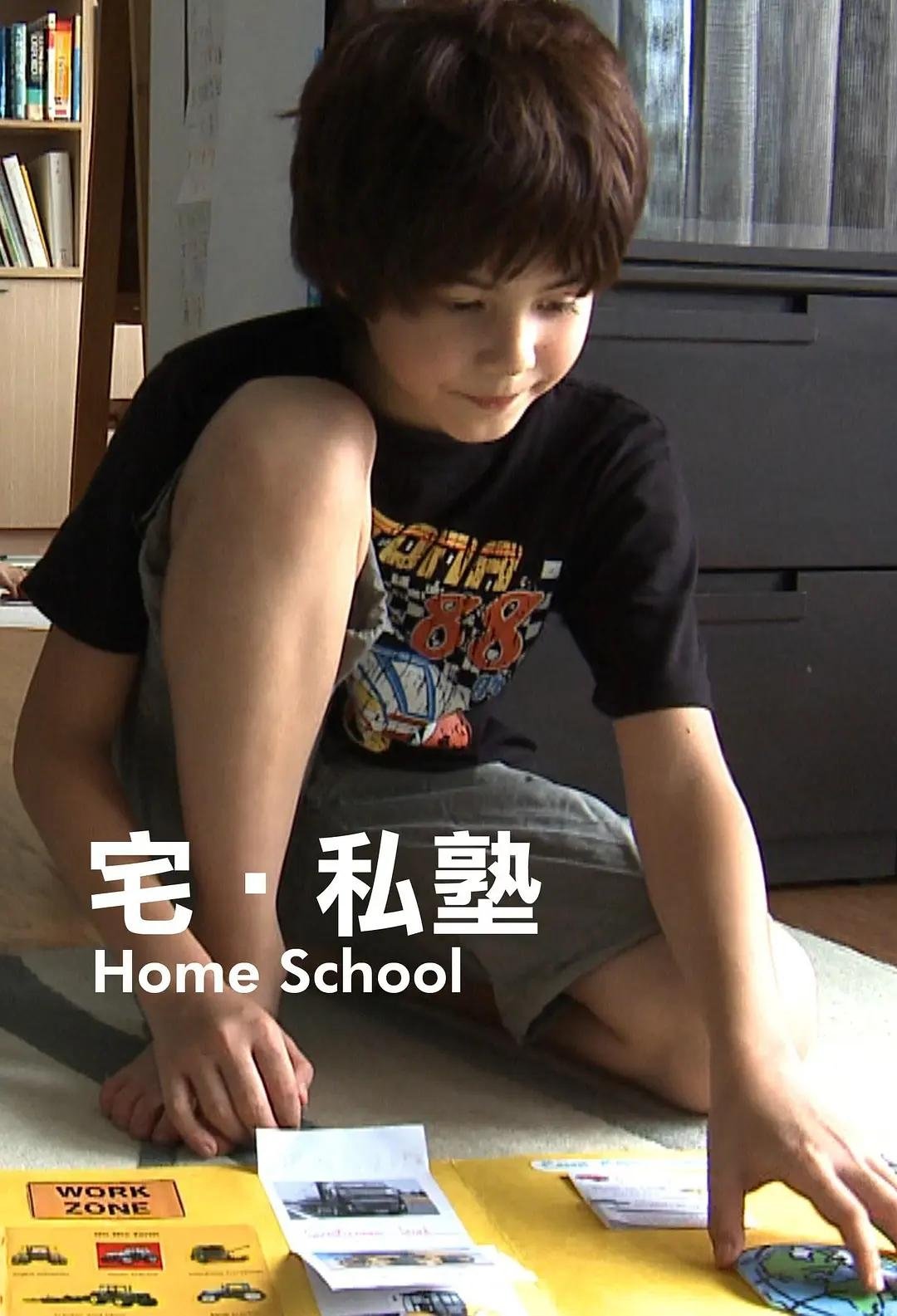
Here is only one chance in life, and the way of education has a profound impact on the future of children; letting children go to school at home is a challenge and an experiment that does not allow failure... This film visits four families who have completely different backgrounds but also choose to teach themselves. Through the sharing of experiences between their children and their parents, it presents the appearance of the phenomenon of self-study in Taiwan today. Is the pursuit of the happy growth of one's own children contradictory to the hope that the children will become a dragon and a phoenix? What kind of learning environment should we prepare for children? How do families with different backgrounds and children with different qualifications choose appropriate education methods? What is best for children?
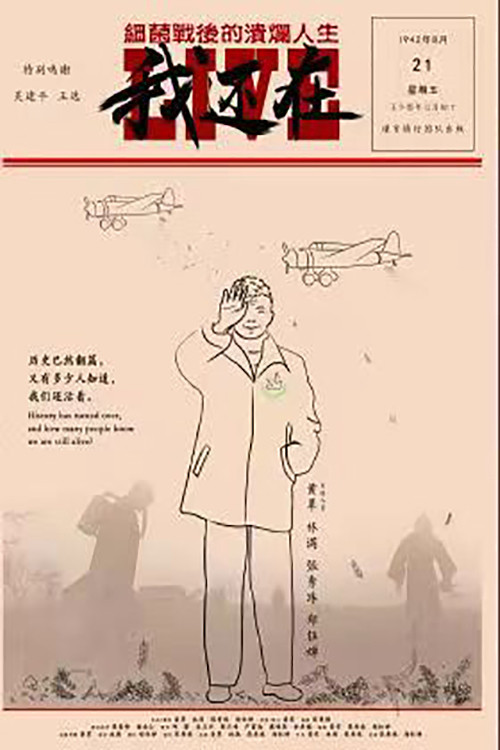
On August 21, 1942, while the Japanese "Expeditionary Team" immediately retreated with ground troops, they scattered anthrax on fields, grasses, and crops in urban residential areas along the Zhejiang-Jiangxi traffic. People along the route mostly depend on farming for their livelihoods, so at the same time, many people crippled and died with rotten feet. According to incomplete statistics, there are only more than 160 suspected germ warfare survivors in Quzhou, Zhejiang. This film focuses on these surviving elderly people. When 70 years have passed since the war and a new chapter of history opened, what kind of lives are the old people who are victims? What kind of mental state are you in? Will the wounds left over from the war heal? What is the attitude towards war?
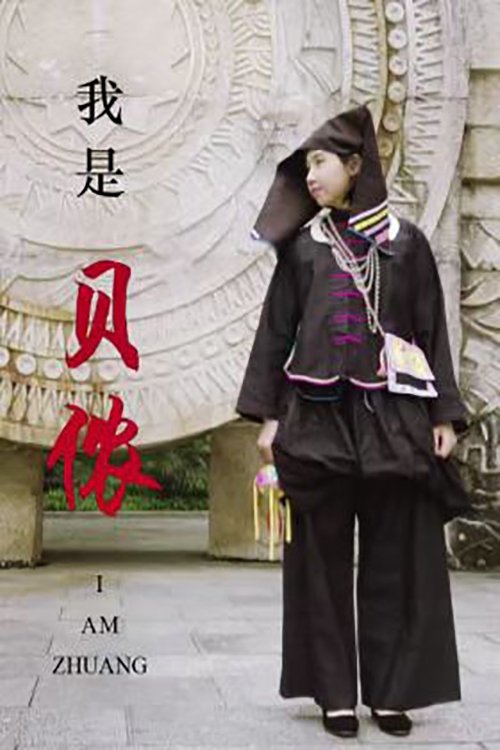
Beixnuengx means compatriot in the Zhuang language. I was born and raised in the city. Although I am Zhuang (China’s ethnic group), am I Beixnuengx? I want to find my identity. So I started with Zhuang folk songs. I set off from Nanning to Wuming, Baise, and then to Mashan, my hometown that I have never been to. I met people singing songs in WeChat groups; I joined the Zhuang song festival at the entrance of the village, I visited 100-year-olds who still make Zhuang brocade... What are the stories of those singing folk songs? What Beixnuengx culture is revealed in folk songs? Along the way, I slowly uncovered the much advertised Zhuang culture and saw her in the most original form. In the end, how did I answer my initial question?
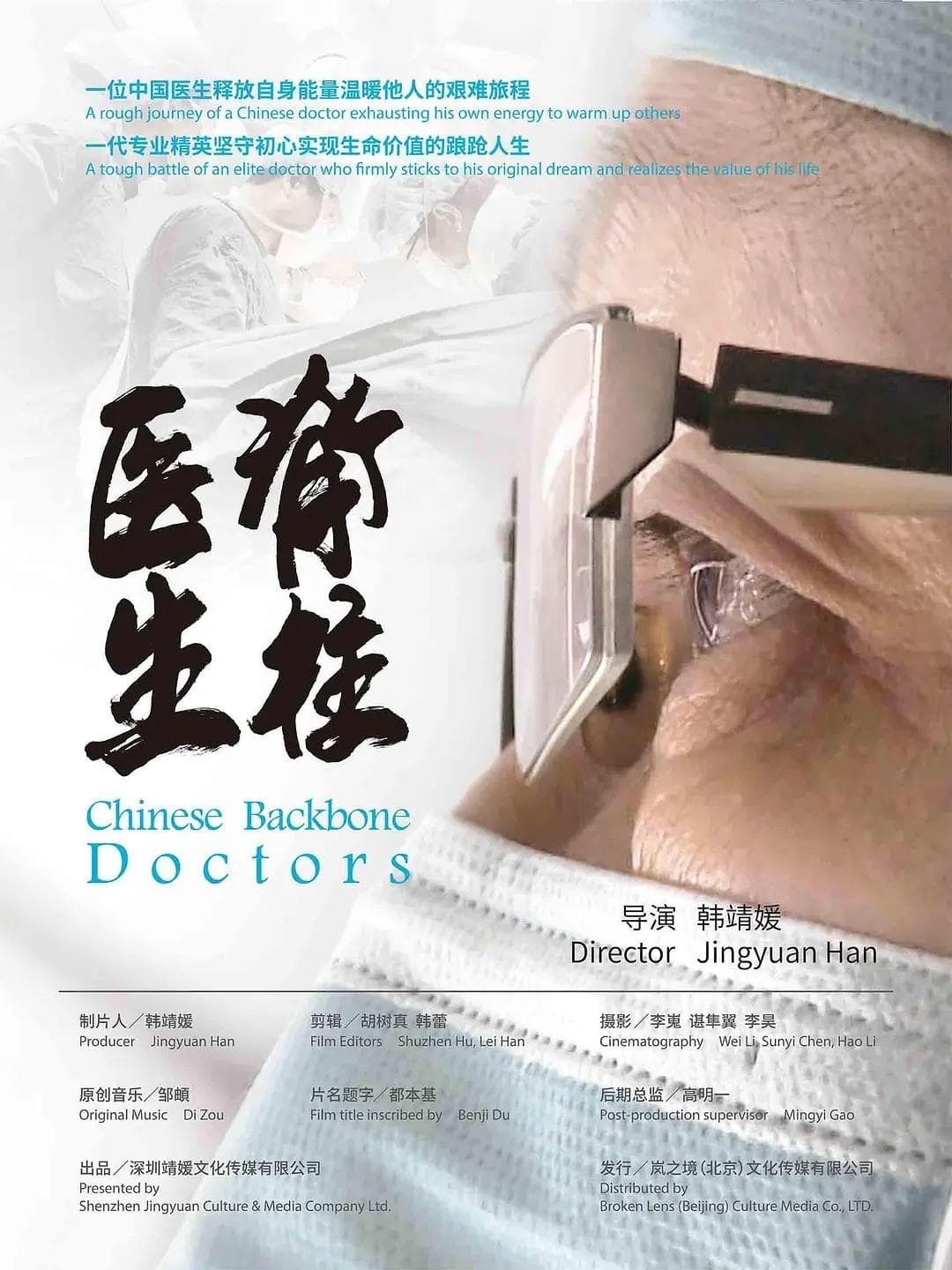
Liu Haiying, who is praised by patients as the "sword of the world", is a doctor of medicine who grew up during the 80 years of agency thinking. He spent the most important stage of his career in Germany in the mid-1990s, and he developed a rigorous career. Careful and professional character. In many years of medical practice, Liu Haiying often paid out of his pocket to help poor families with severe spinal deformity patients. He knew that if these people did not undergo surgery, they would have organ failure or death waiting for them. However, long-term funding is unsustainable for the economy.Day and night heavy work has made this good doctor with superb medical skills a patient who needs to be taken care of. Colleagues advised him to take more care of his family and body, but he couldn't stop the pace of "saving the wounded." He was still staggering, guarding his life that was hard to give up and saved the wounded.
The term "garbage" is relative, but most people's definition of garbage is absolute and rigid, and the definition of a person like "garbage man" is also relative. Compared to the ostrich that disappears when humans avoid garbage and not see psychological. With a lively and lovely tone, the film brings out the special views of how the two protagonists look at trash when they walk between the cities, and then connects the delicate relationship between their love for trash and their families.
In a city that worships money, there is a group of people who still insist on living the philosophy of "people are not living on food alone." Instead of choosing to live in seclusion, they choose to actively enter the world, improve their hearts, and influence others through artistic creation. Their innovation has not only driven the art world in Hong Kong but more importantly, through their enthusiasm for creation, they have made us understand that as long as we have a "heart", no matter how difficult the environment is, we can persist in a "love".
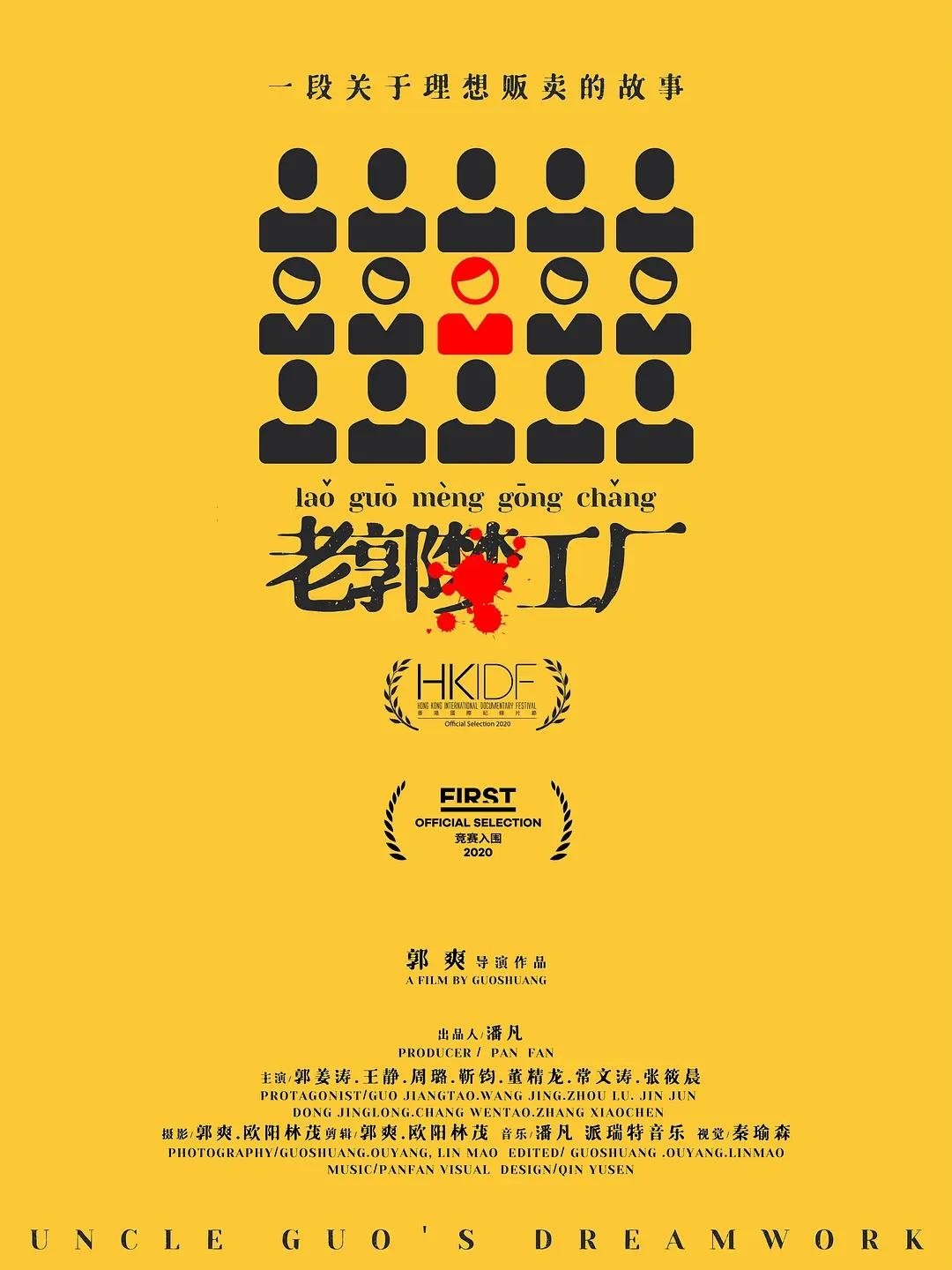
As a person who has taken art exams, Guo Jiang chose to enter the industry of "art exam training" after graduating from university. His role is that of both an educator and a businessman, although most of the time he prefers to appear as "Mr. Guo". The stage on which Mr. Guo's skills are put to use is a small county in central Henan, which is also his hometown. This documentary is about Guo Jiang's career and life.In short, hovering between the desire and the so-called ideal, adhere to or let go, he needs to make a choice.
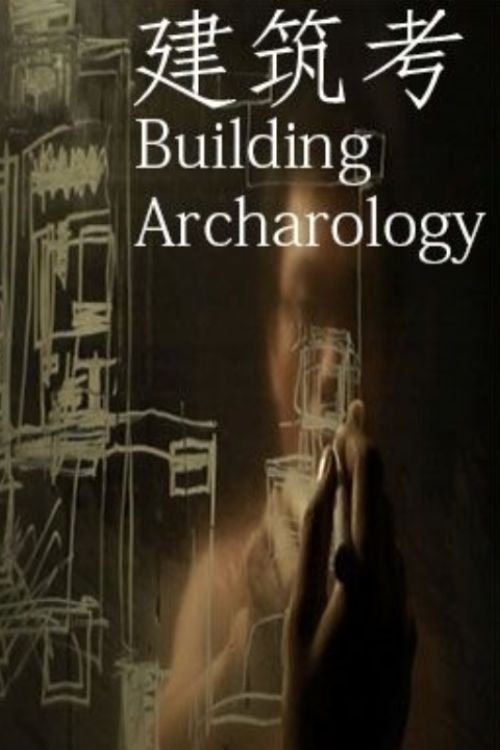
The documentary Building Archeology (jiànzhú kǎo) (2011) considers the more recent past. It’s made up of three vignettes about different buildings in Beijing: a museum, an abandoned hospital, and a detention center. The latter two vignettes are especially interesting. In the second, a woman wanders around the ruins of a hospital built in a week to deal with the 2003 SARS outbreak. The third concerns a former prisoner, tracing out a map of the detention center where he was held in 2011.
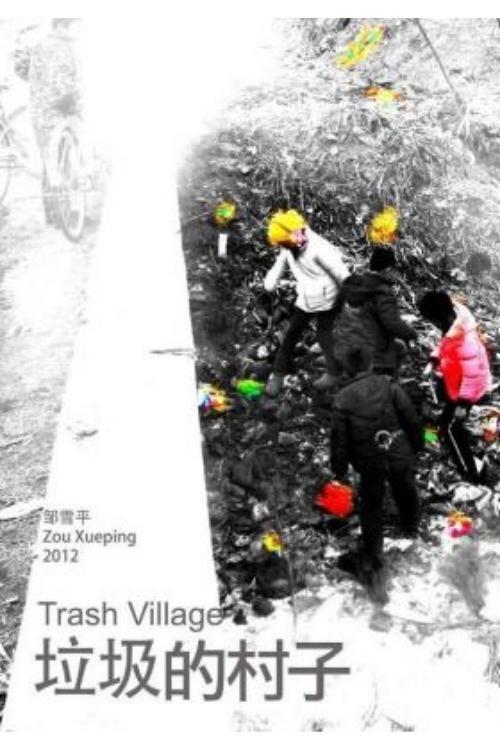
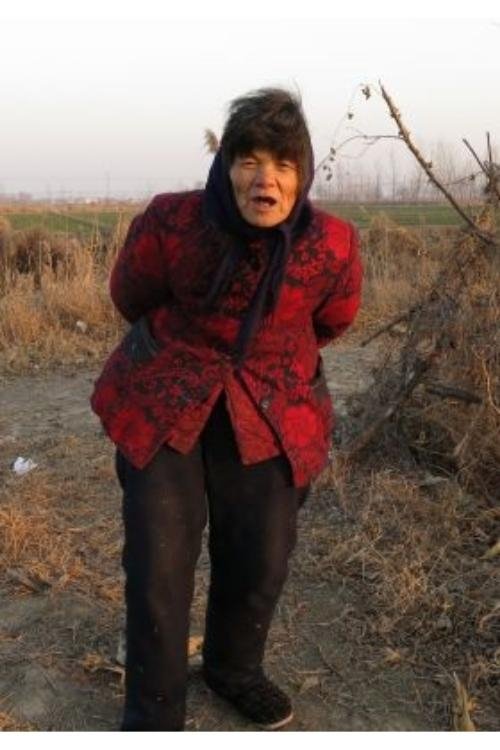
This is the fourth film in my Zoujiacun series within the Folk Memory Project. In 2013, I came back to my village and faced the trash all over the village. The children and I tried to improve the environment of our village. This was a tough fight against the trash and ideas of villagers. I felt like that the trash was in my heart. The 95-year-old grandma Sha and her 49-year-old son Xizhu, their lonely solitary life is also in this film. This film is about the progress that I fight with myself.
This is my fifth time coming back to my own village, where I was born and brought up. After I graduated from college, when I was staying in my village, I was always suspected and judged by the village people. Xizhu grandpa was called ‘fool’ by other villagers, and Zengxiang aunty was looked down by others. They come into my life, and I stayed with them. Their naïve and strange thought made think about my village in a new way. In this quite ‘normal’ village, who are normal people? In those normal people’s eyes, am I another fool of this village?
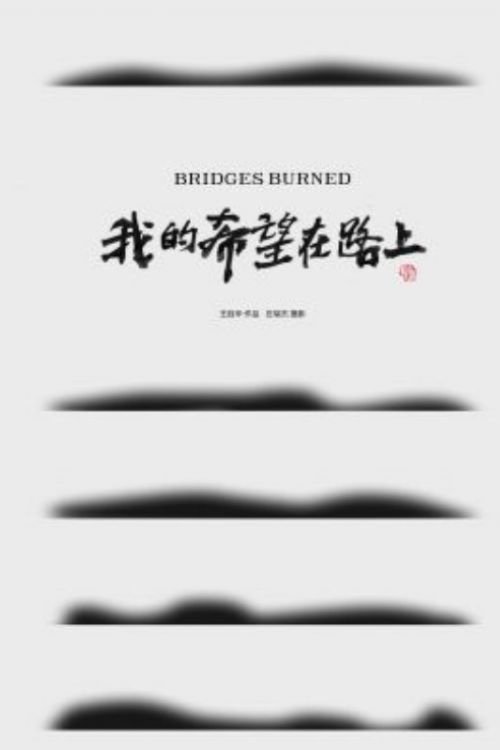
In the autumn of 2010, the poet Xiaozhao set off from Beijing and took a national tour of his personal poem collection "My Hope is on the Road" printed at a print shop. All the way up and down, full of ambition. Photographer Zhuang Ruijie went to Guangdong halfway to shoot. He recorded a trip to Guangzhou, Shenzhen, Chengdu, Shaanxi Shanyang, Huashan, Zhongnanshan, Xi'an and returned to Beijing for about 15 days.
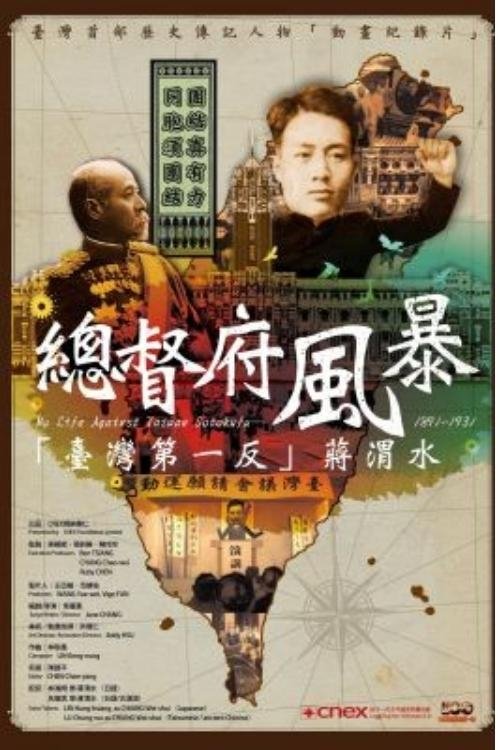
“My Life Against Taiwan Sotofuku – 1891~1931” is Taiwan’s first biographical animated documentary. The film combines animation, archival photos, footage, and sound theater to recreate the heroic epic of CHIANG Wei-shui, the “the Savior of Taiwanese People,” during Japan’s colonial rule of Taiwan. Through first-person flashback narrations, Taiwan’s pioneer revolutionary CHIANG Wei-shui tells the turbulent tale of the rise and fall of Taiwan’s non-violent anti-Japanese movements, as well as a lifetime of remarkable resistance against Taiwan Sotofuku (Japan’s colonial government). Cast
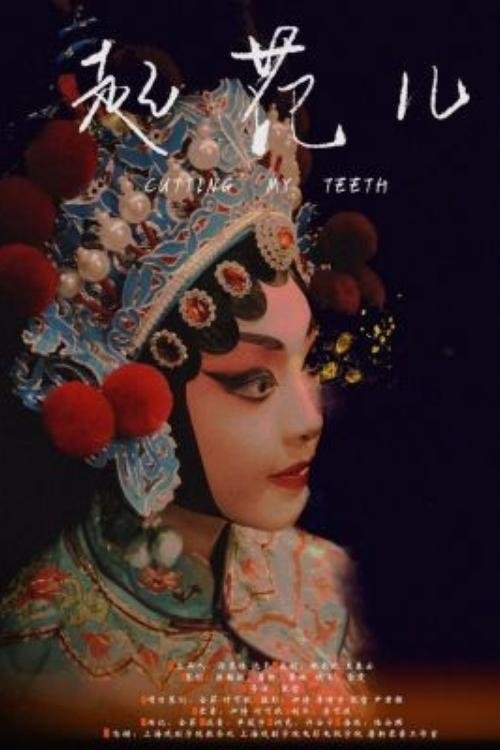
This film mainly records the story of two adolescent children receiving primary education of Peking Opera in Shanghai Opera School in a documentary form. As they are in their adolescence, they gradually form their own plans and ideals for the future. On this unusual learning path, they face the problem of choice between reality and ideals, and gradually learn to accept and grow up.
A documentary about the life and films of director John Ford.
A documentary about how a dominant cultural and demographic institution both sustains their traditional activities and adapts to the digital revolution.
In an intimate and joyful story of love in the face of loss, celebrated poets Andrea Gibson and Megan Falley find strength—and unexpected hilarity—in what might be their final year together.
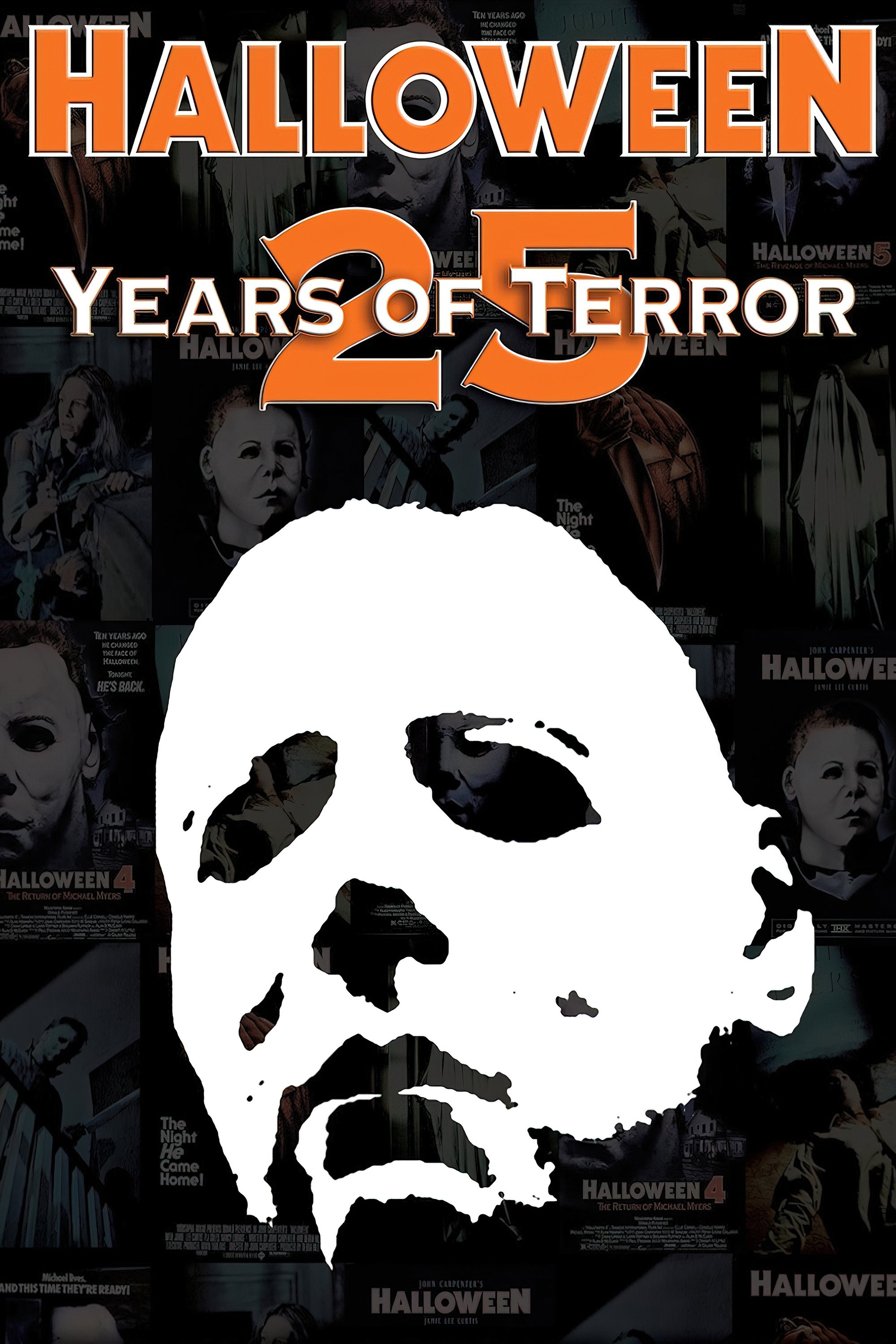
Follow the evolution of the 'Halloween' movies over the past twenty-five years. It examines why the films are so popular and revisits many of the original locations used in the films - seeing the effects on the local community. For the first time, cast, crew, critics and fans join together in the ultimate 'Halloween' retrospective.
A string of threatening emails escalates into a revenge plot involving a newly married US marshal and his ex-girlfriend.
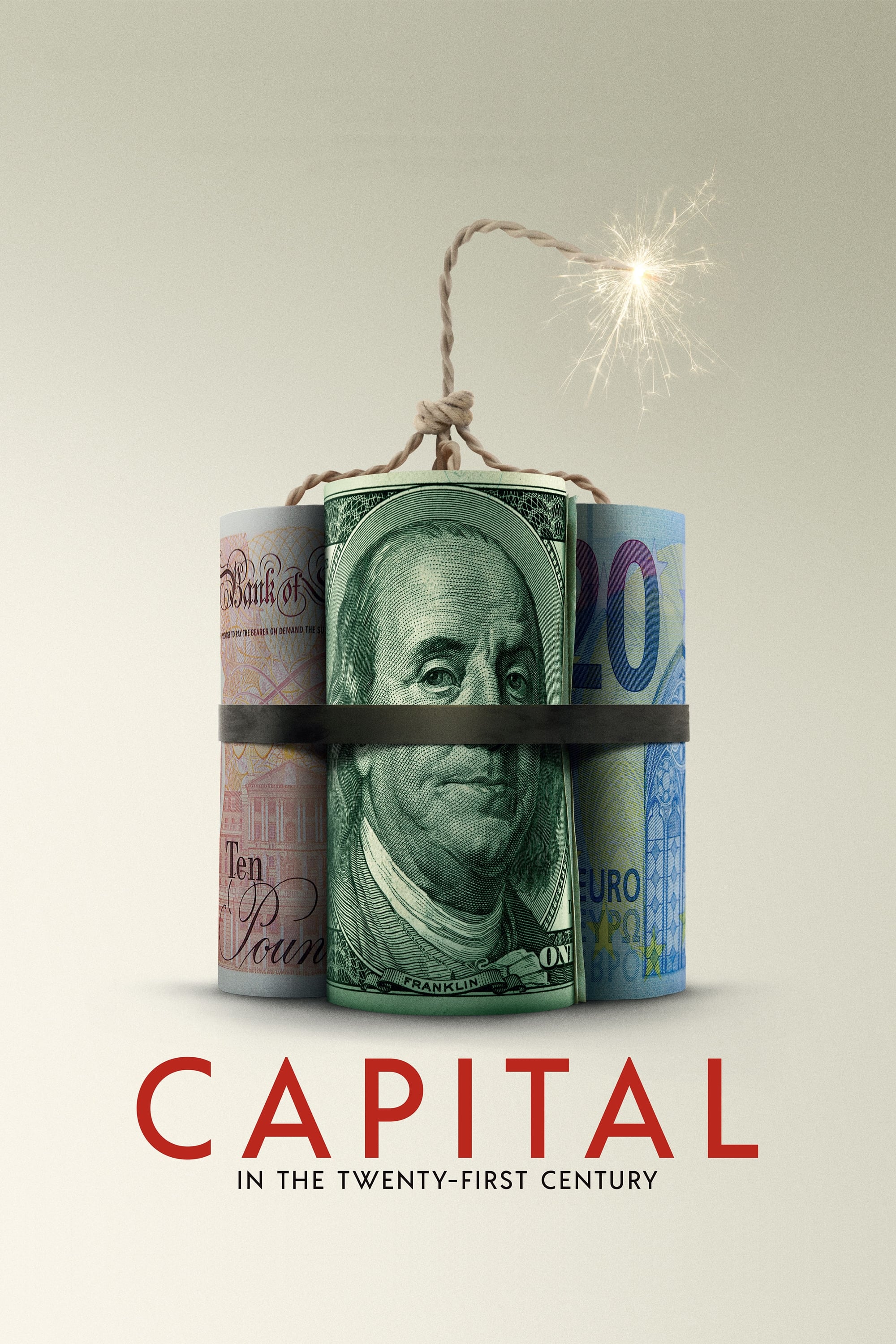
Film adaptation of French economist Thomas Piketty's ground-breaking global bestseller of the same name: an eye-opening journey through wealth and power.
Alexander McQueen's rags-to-riches story is a modern-day fairy tale, laced with the gothic. Mirroring the savage beauty, boldness and vivacity of his design, this documentary is an intimate revelation of McQueen's own world, both tortured and inspired, which celebrates a radical and mesmerizing genius of profound influence.
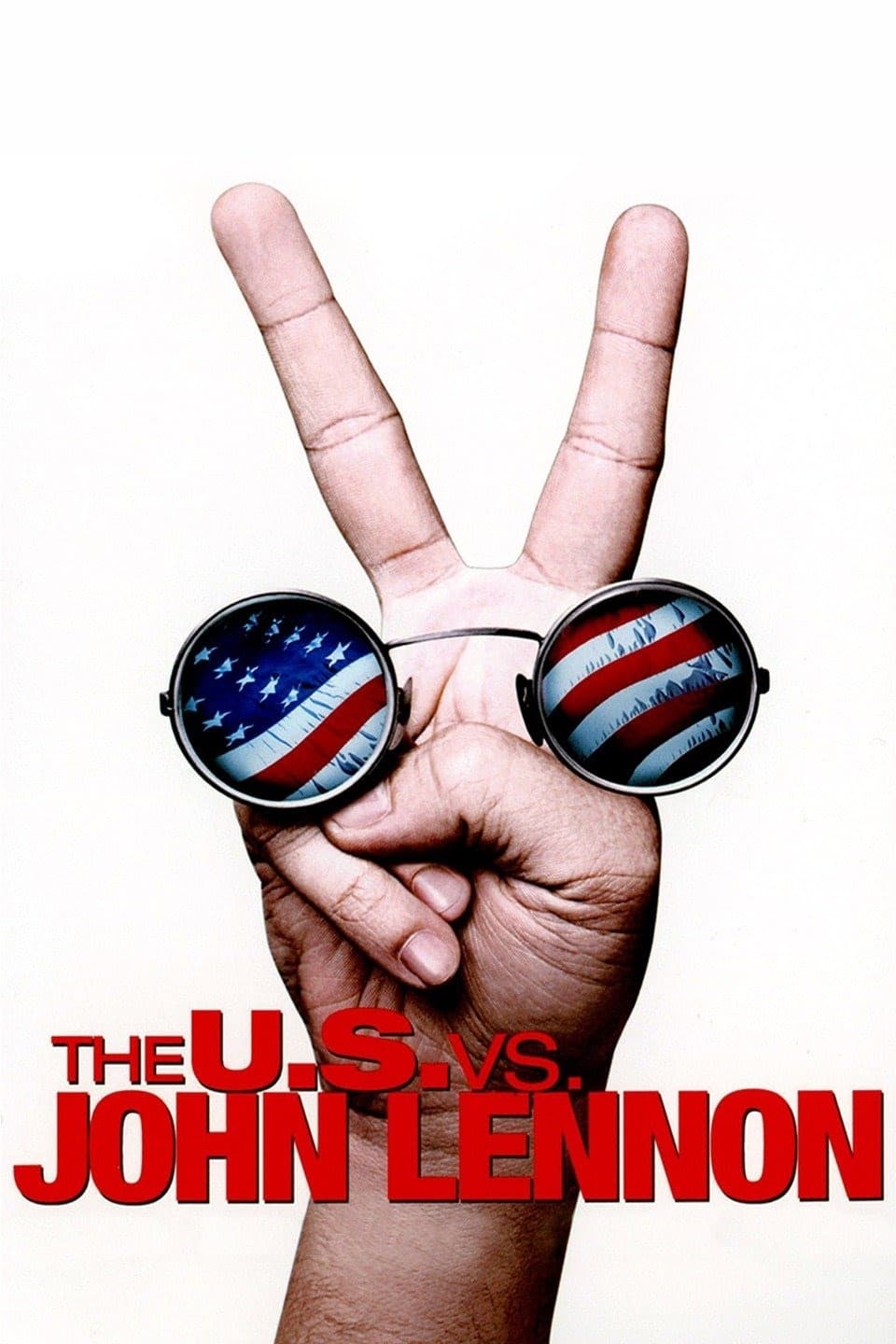
A documentary on the life of John Lennon, with a focus on the time in his life when he transformed from a musician into an antiwar activist.
From the heights of her modeling fame to her tragic death, this documentary reveals Anna Nicole Smith through the eyes of the people closest to her.
A visual montage portrait of our contemporary world dominated by globalized technology and violence.
A night of drunken chaos rocks a quiet Dutch town in this shocking documentary about a teen's birthday invite that accidentally went viral on Facebook.
Ranjit, a farmer in India, takes on the fight of his life when he demands justice for his 13-year-old daughter, the victim of a brutal gang rape. His decision to support his daughter is virtually unheard of, and his journey unprecedented.
A documentary on legendary movie-poster artist Drew Struzan.
This documentary focuses on the actors and their journey over two summers to create the remake to the original IT, by Stephen King. The documentary originally released as bonus material, bundled with IT: Chapter Two.
A documentary about the making of David Fincher's 2008 film THE CURIOUS CASE OF BENJAMIN BUTTON. Virtually every element in the evolution of the Fincher's film is documented here, from the project's attachment to numerous other directors during the 1990s, to its shoot in 2006 and 2007 in New Orleans, to its complex, CGI-intensive postproduction process.
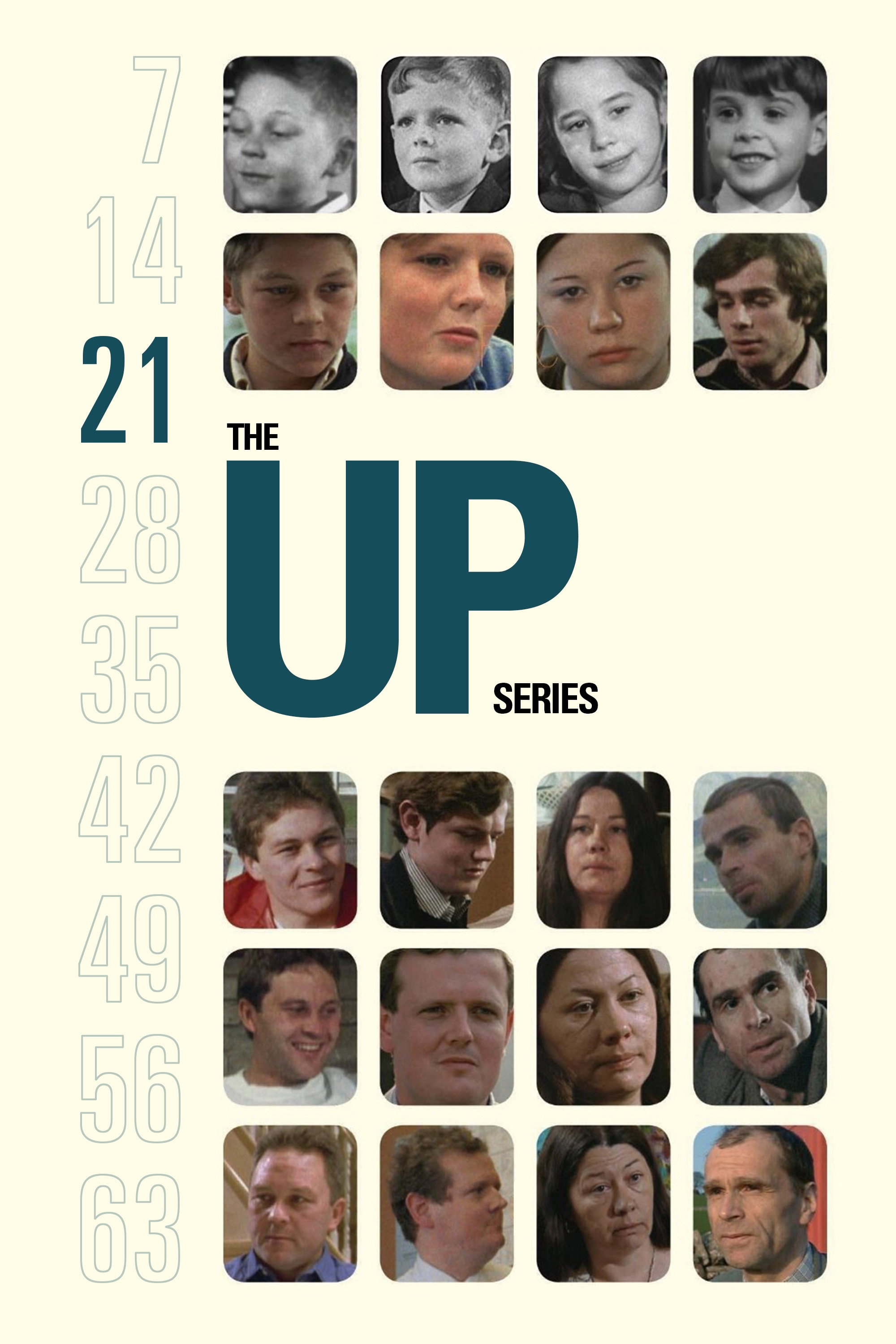
Director Michael Apted revisits the same group of British-born adults after a 7 year wait. The subjects are interviewed as to the changes that have occurred in their lives during the last seven years.
An inside look at one of the most anticipated movie sequels ever with James Cameron and cast.
Just two years away from turning 30, participants in Michael Apted's documentary series are facing serious questions of identity and purpose, wondering whether they've found their place in the world.
A purely observational non-fiction film that takes viewers into the ethically murky world of end-of-life decision making in a public hospital.
After another 7 year wait, director Michael Apted revisits the same group of British-born children from Seven Up! and 7 Plus Seven. The subjects are interviewed as to the changes that have occurred in their lives during the last seven years.