Rye bread squeezed brioche and sandwiches, which ended up as endgame, to be eaten.
Social & External
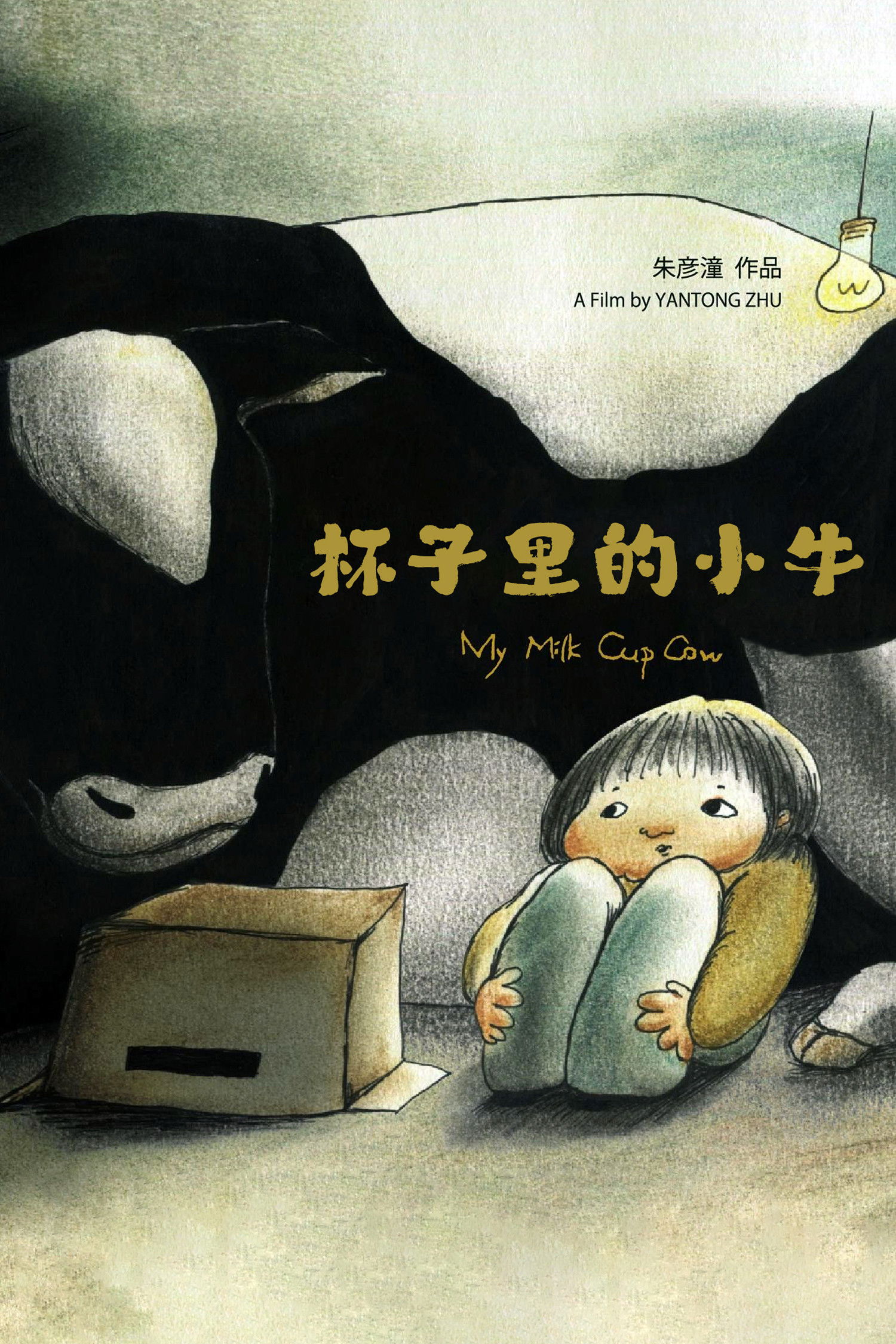
The father tells his daughter Nunu a lie that there is a cow in her milk cup. She believes it and drinks up milk, but there isn't any cow. Her father tells her a variety of lies, which Nunu finds increasingly difficult to believe.
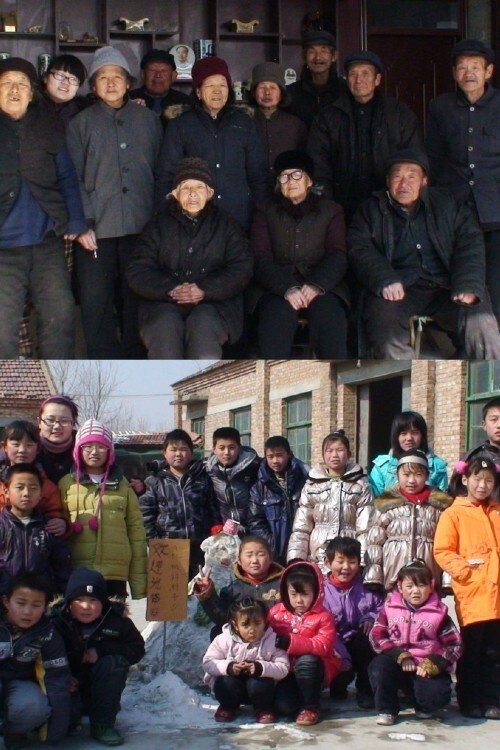
It is the director's second documentary of "my village" series since she got involved with the "Folk Memory Project". She returned to her hometown to shoot footage, recording the realities she encountered in her search for memories. Her biggest question is: after experiencing the disaster of the tragic famine fifty years ago, the villagers now are not short of food, and are living a better life than before, but is the spirit of this village still starving?
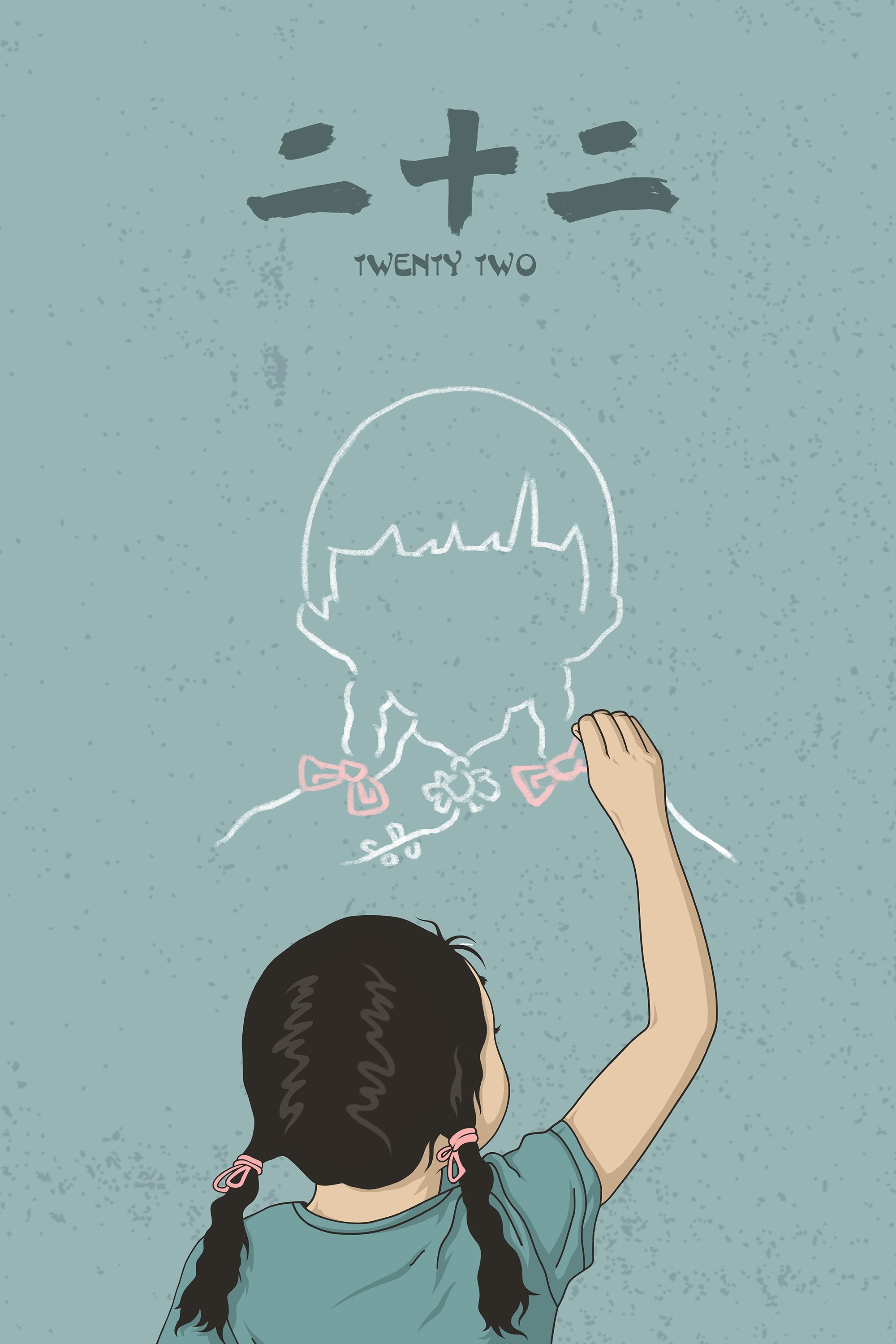
Follow the lives of the elderly survivors who were forced into sex slavery as “Comfort Women” by the Japanese during World War II. At the time of filming, only 22 of these women were still alive to tell their story. Through their own personal histories and perspectives, they tell a tale that should never be forgotten to generations unaware of the brutalization that occurred.
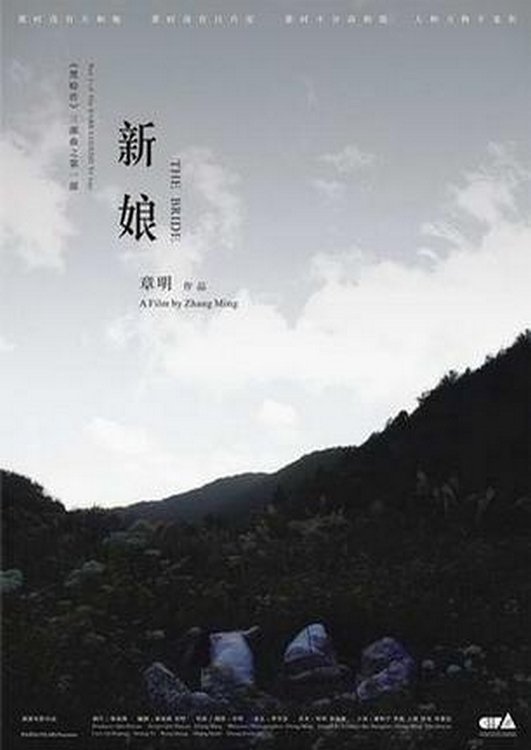
Chinese film directed by Zhang Ming,
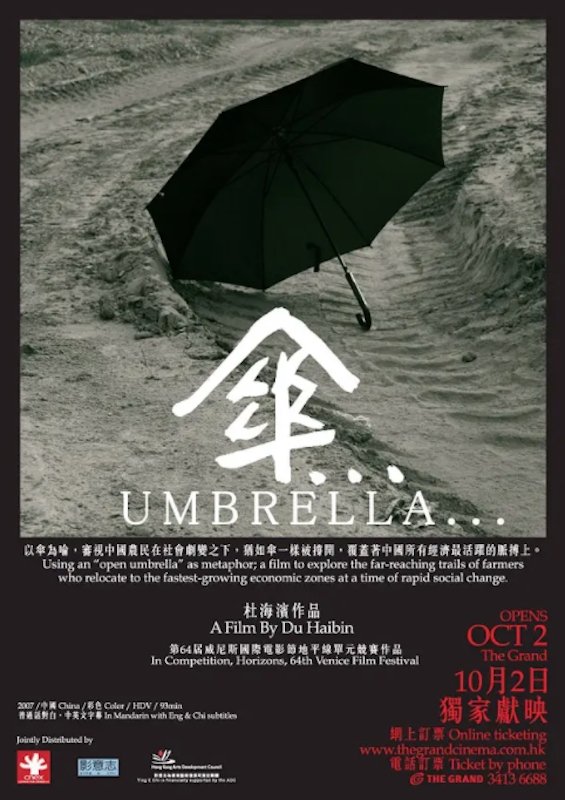
Workers, peasants, soldiers, students and merchants were five groups of Chinese society in the 1950s, after the so-called elimination of the exploited class. Borrowing this concept, the umbrella is taken as the clue to rediscover changes in various social classes after the economic reform, and to analyze the social problems in China. Workers making umbrellas, merchants selling umbrellas, students looking for jobs in the rain. Umbrella is used as a metaphor that can be seen everywhere. As the raindrop, what we see is sometimes clear, sometimes untraceable.
The Chinese police visit head-teacher Chen at home. Her daughter, a dissident filmmaker living in Hong Kong, plans yet another critical film about China's colonization of the small autonomous territory. The authorities demand that Chen travel to her daughter to stop the film project. What they do not take into account is that Chen and her daughter lost contact long ago.
A soon-to-be first-time voter, the filmmaker’s thought-provoking journey into the Rust Belt and South captures four Asian American voters’ ardent first time grassroots political participation ignited by the 2016 rise of “Chinese Americans for Trump.” FIRST VOTE is a character driven cinema verité style film chronicling the democratic participation of four Asian American voters from 2016 through the 2018 midterm elections.
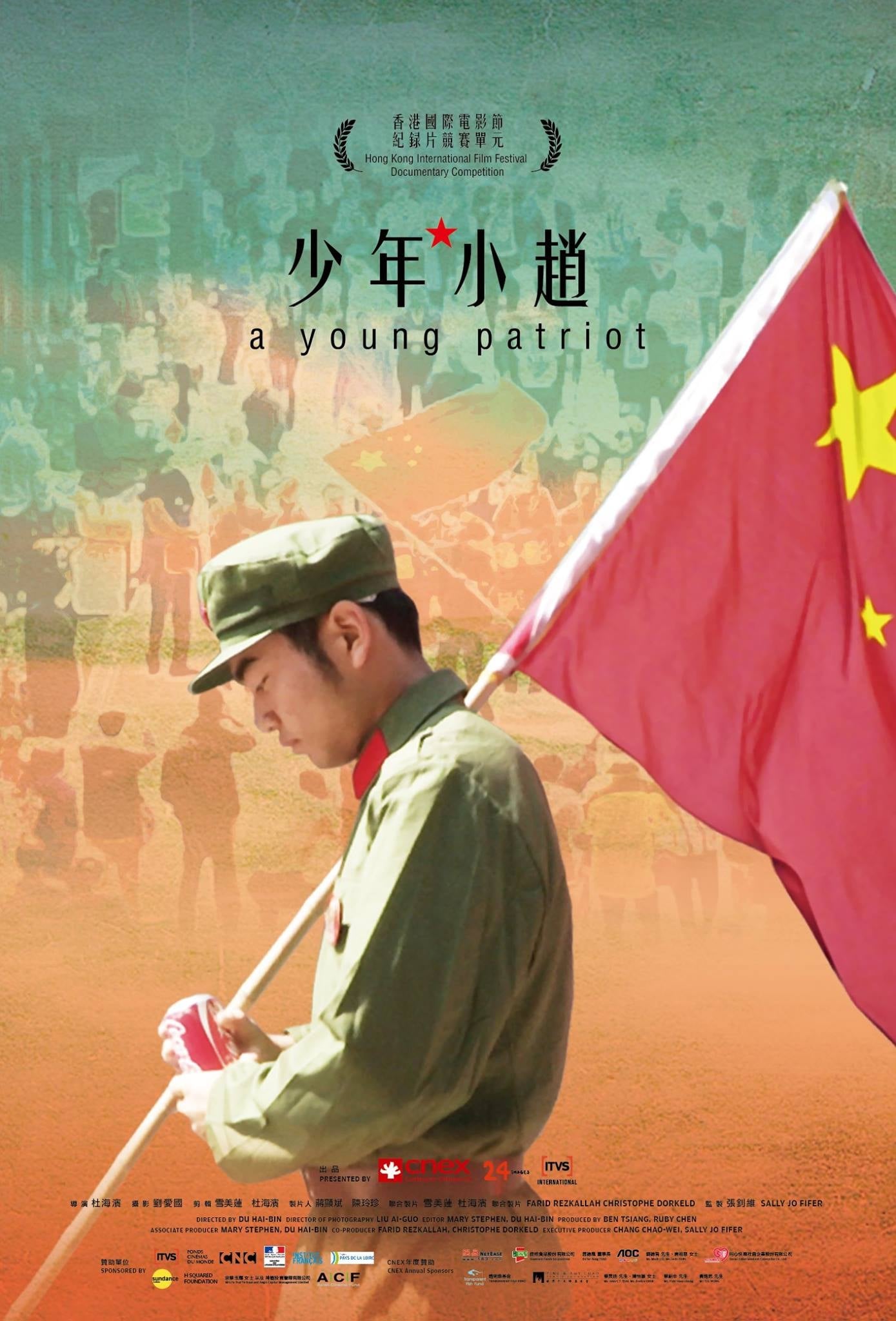
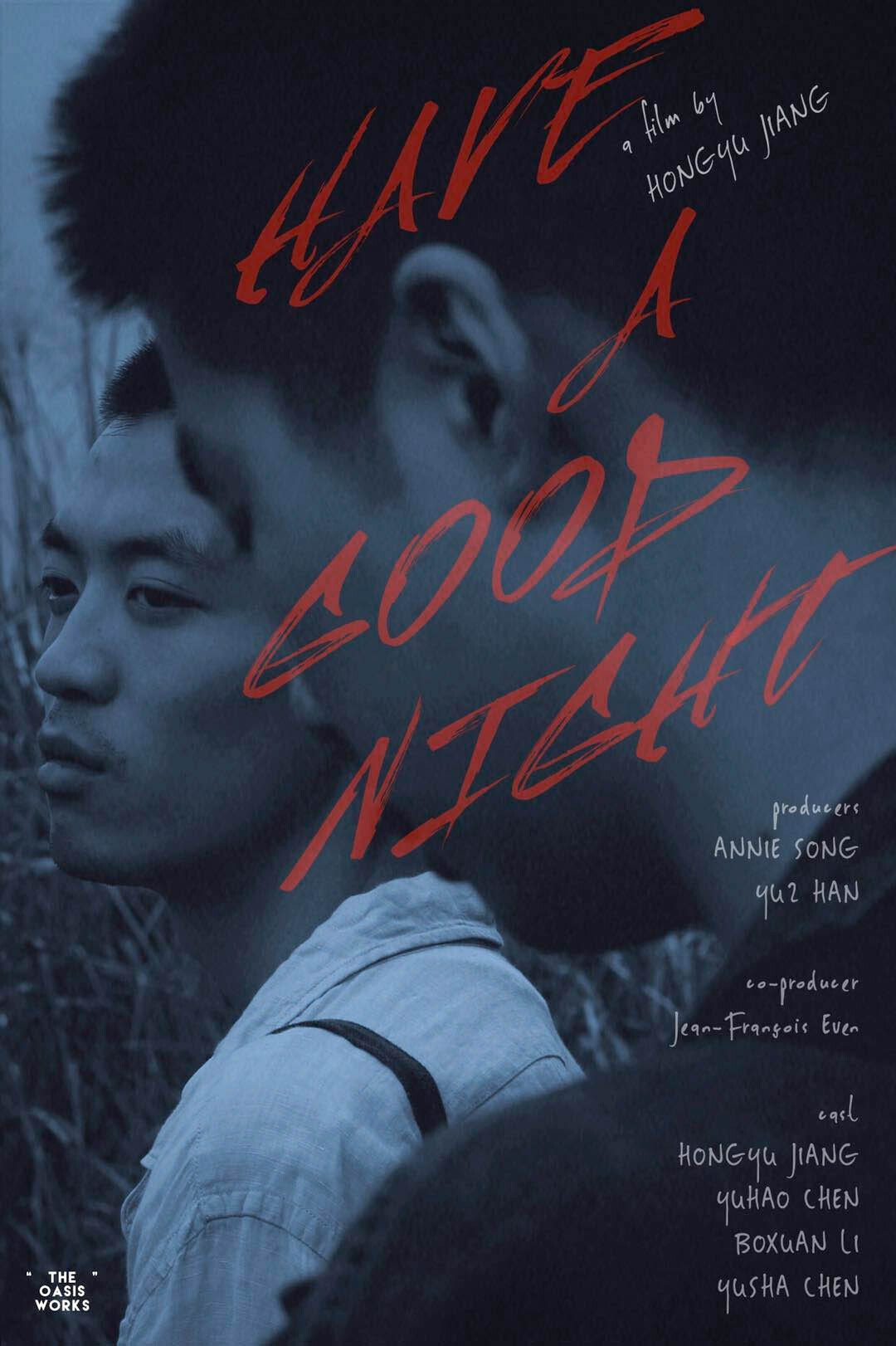
A documentary chronicling the coming of age of a young chinese man.
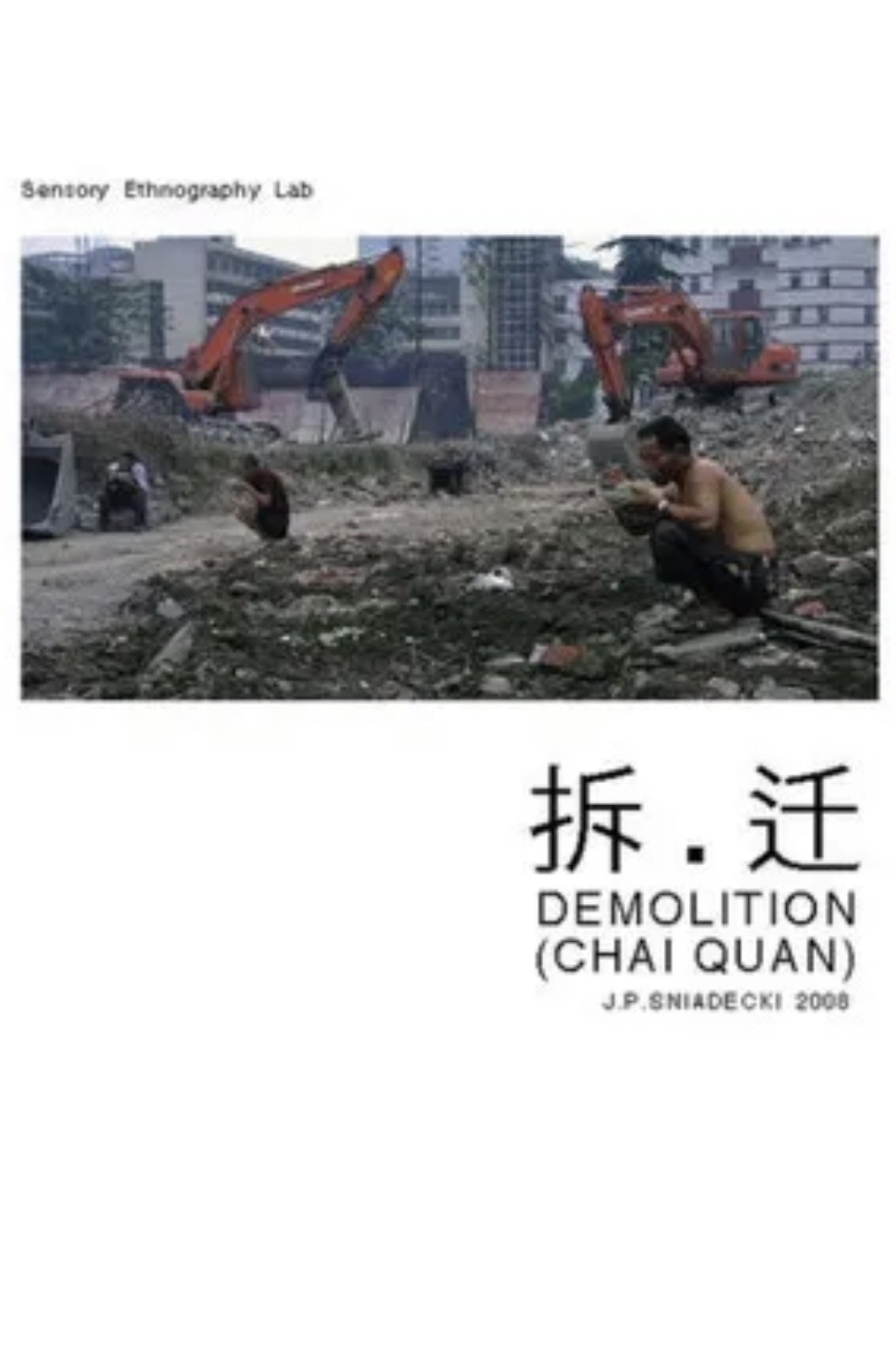
"If the old doesn't go, the new never comes" recites a teenager hanging out near a demolition site in the center of Chengdu, the Sichuan capital in western China. In Demolition, filmmaker J.P. Sniadecki deconstructs the transforming cityscape by befriending the migrant laborers on the site and documenting the honest, often unobserved, human interactions, yielding a wonderfully patient and revealing portrait of work and life in the shadow of progress and economic development.
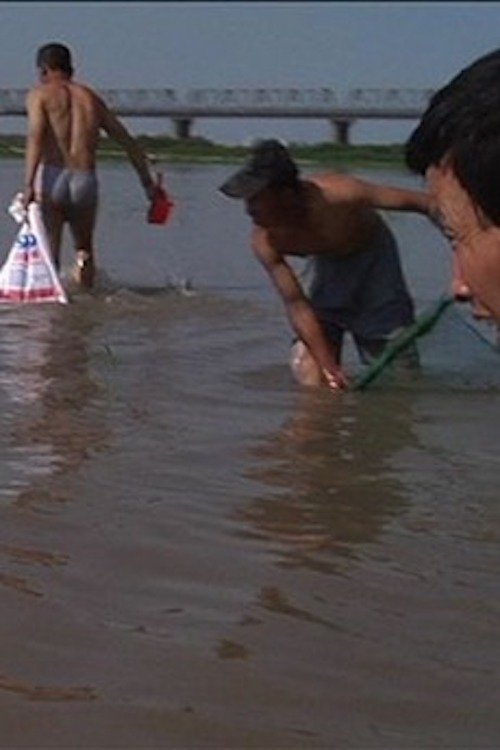
In northeastern China the Songhua River flows west from the border of Russia to the city of Harbin, where four million people depend on it as a source of water. Songhua is a portrait of the varying people that gather where the river meets the city, and an ethnographic study of the intimate ways in which they play and work.
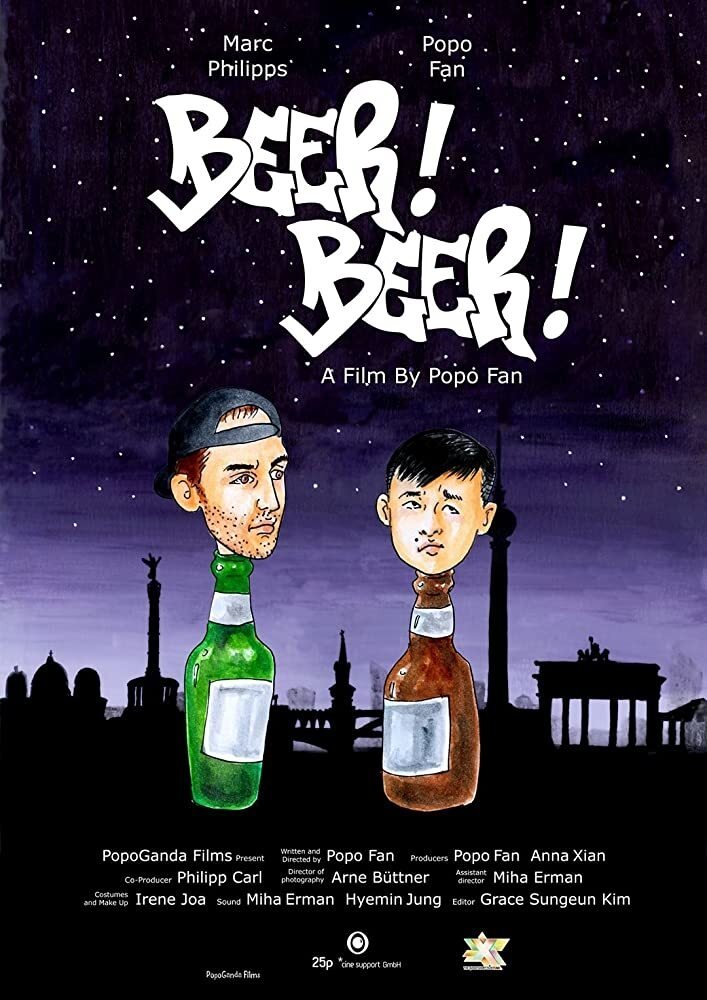
"Beer! Beer!" is an "anti-romantic comedy" set in the early morning following a wild party in Berlin. When Tao, a Chinese guy, meets Sebastian, a local German. As they seem to get more and more intimate with each other, suddenly a mattress changes everything...
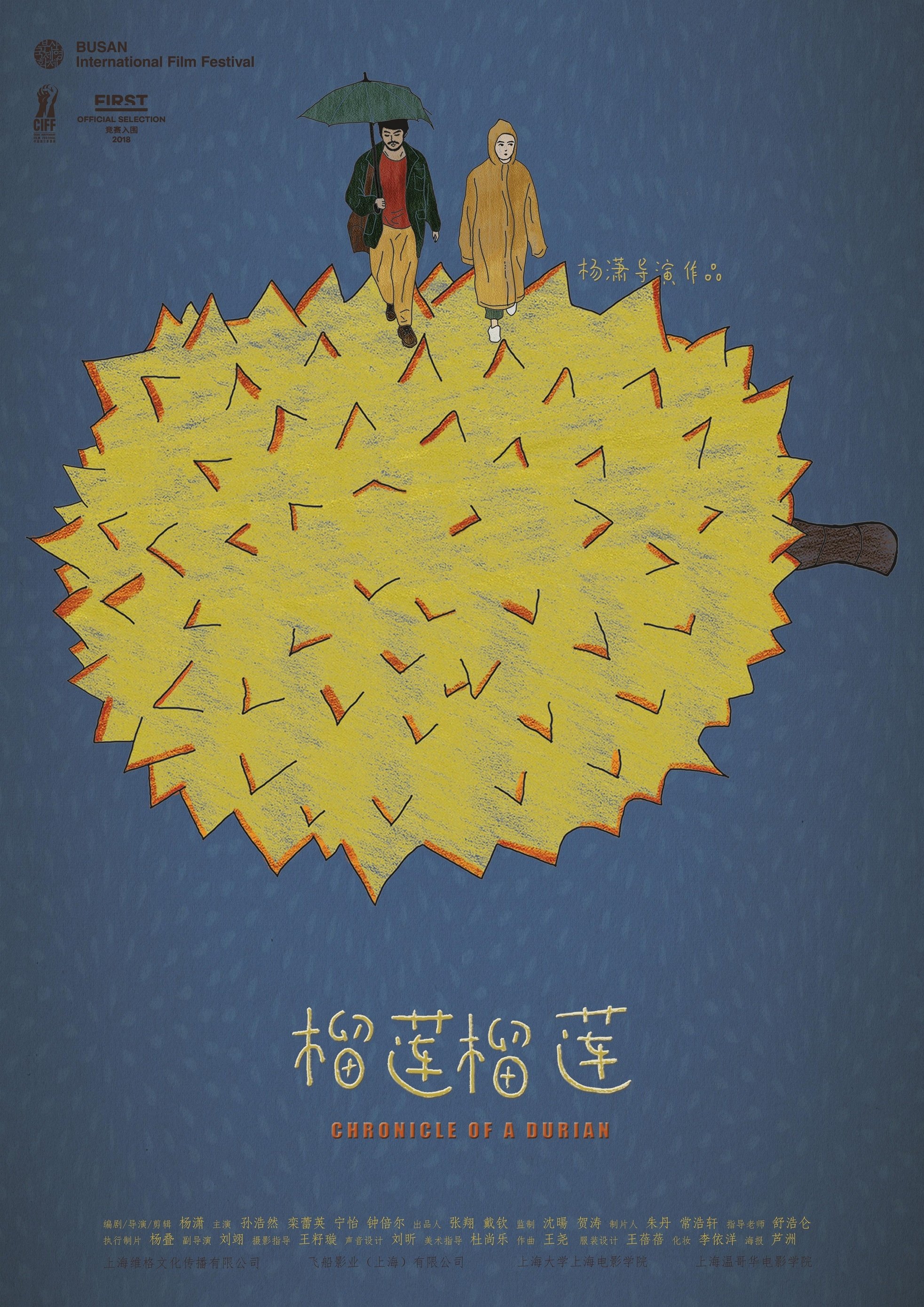
On a rainy day, Zhang Xin, a filmmaker who suffers from obsession deeply, comes across a strange girl, carrying a durian. He can’t help but walk towards her. This beautiful bubble breaks once the girl turns out to be the reflection of the obsession.
Coming back to her broken family, pregnant writer Huang Xiaoyu and her French husband, Benjamin, finds herself trapped between her cult brainwashed mother, Li Jiumei, and her secretly homosexual father, Huang Tao.
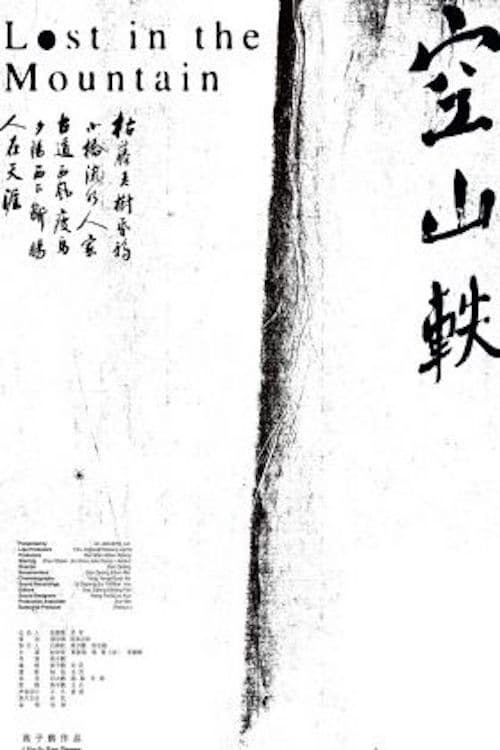
The film is director Gao Zipeng’s first fiction film which takes three years to complete. It premieres on March 27, 2001 in UCCA and stars the poet A Jian, Xiao Zhao and the writer Gou Zi. The film is based on a true crime of disappearance. It creates an atmosphere of what Ma Zhiyuan, a celebrated poet and playwright of Yuan Dynasty, portrays in his famous poem “Autumn Thoughts”: Over old trees wreathed with rotten vines fly evening crows/ Under a small bridge near a cottage a stream flows/ On ancient road in the west wind a lean horse goes/ Westward declines the sun/ Far, far from home is the heartbroken one.
Xuan is a young man working in the film industry in Beijing. To make a documentary film that he wants to present at international festivals, he decides to take advantage of the holidays of the Day of the Dead to return to Chengdu, his hometown located at the other end of the country. The documentary he is about to make is about his relationship with his own lover. He leaves for Chengdu, accompanied by another man, Bo, the cameraman of the film. The two men take the train to Chengdu where Hong, Xuan's lover, is waiting for them. From the first moment of their arrival at the station, Xuan and Bo begin to turn with their camera, Xuan having already explained to Bo what he wanted to film and that Hong would always be "playing", Bo then trusting in Xuan. But Hong is more and more opposed to this camera and the presence of Bo.
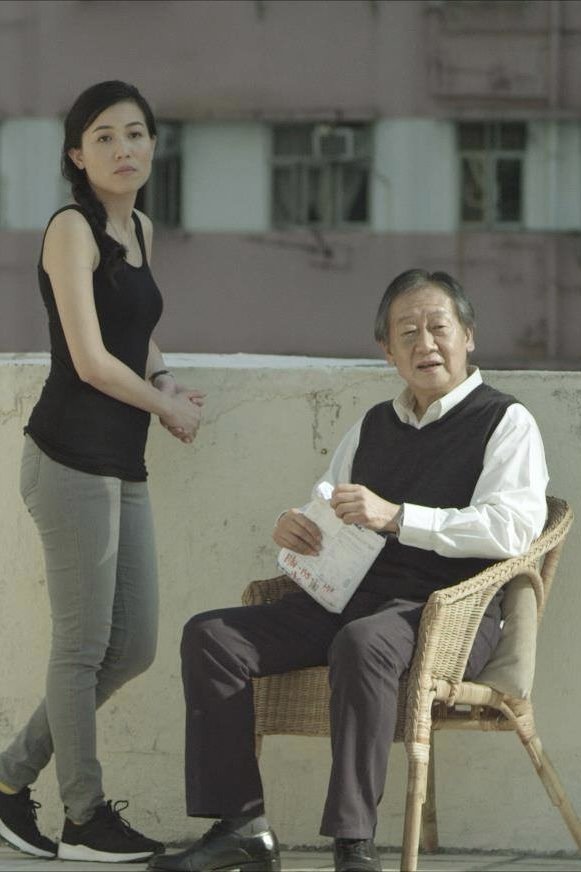
Hong Kong, at the height of the protests. A young woman visits her father, whom she has not seen for a while. Her plan is to have lunch with him before the Umbrella Movement reaches a critical juncture. Celebrated, committed filmmaker Ying Liang contributed with a beautiful moving short with an special angle asking: Where do we live, and what is citizenship?
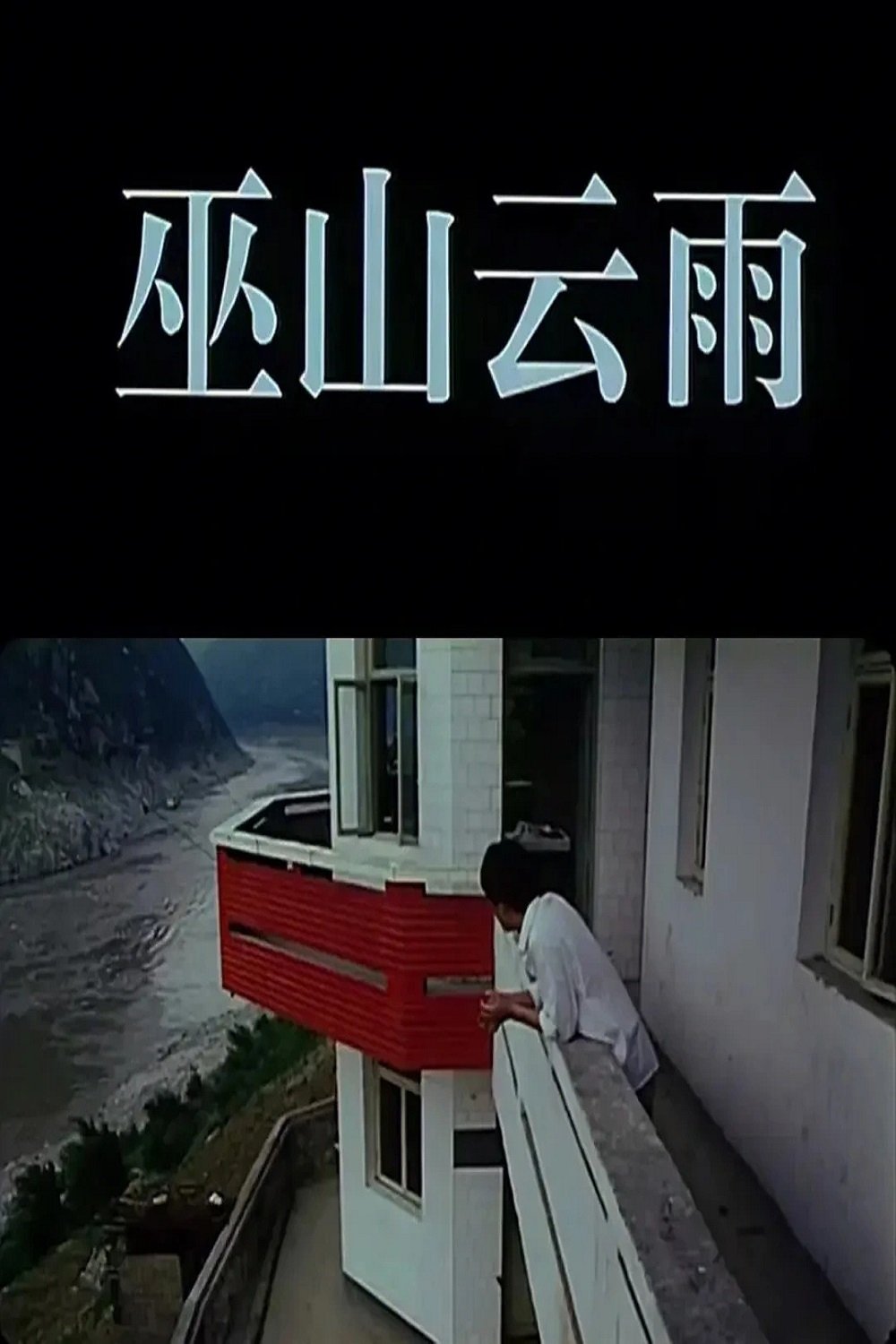
A policeman investigates an introverted signal-station manager suspected of raping a hotel clerk.
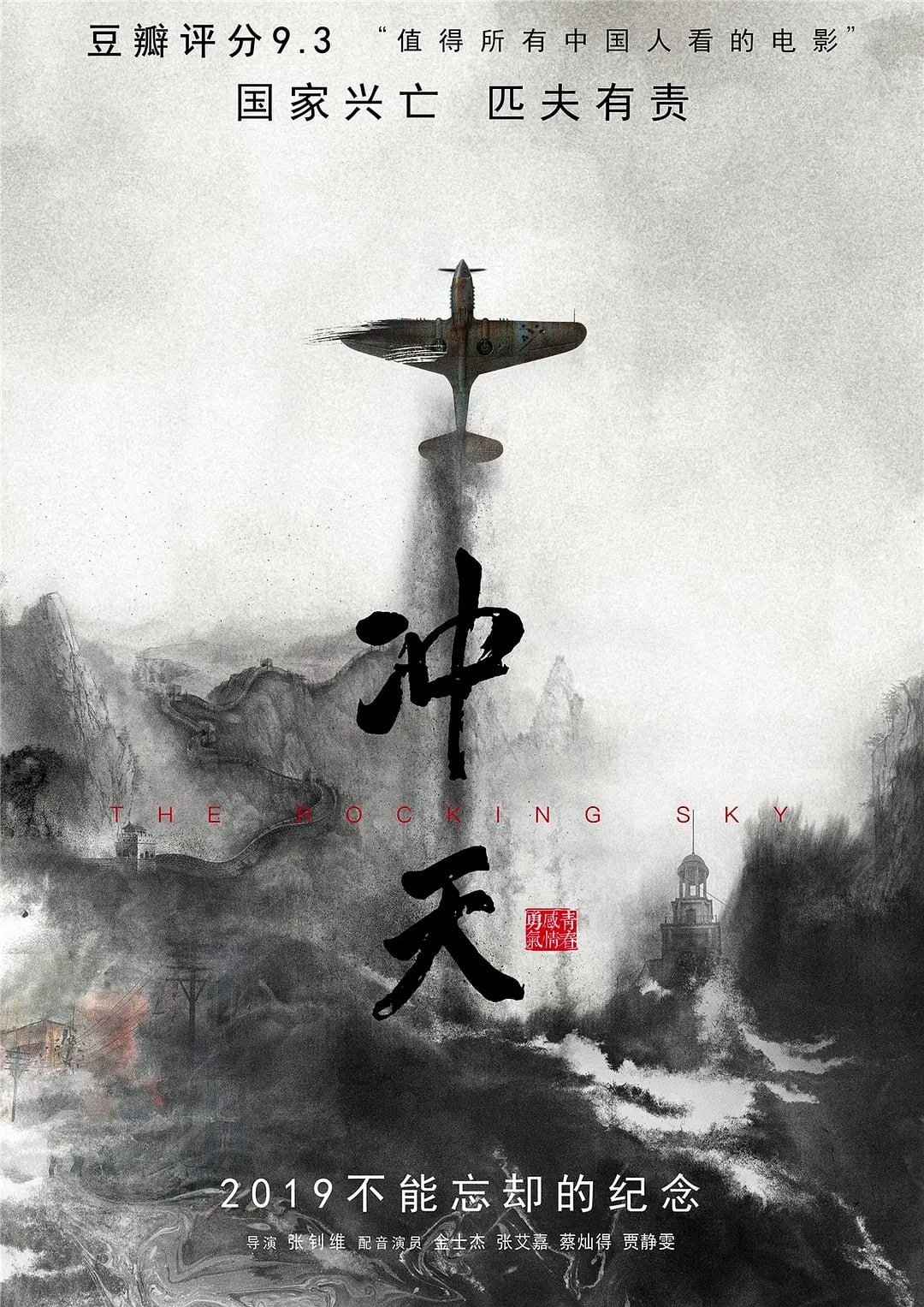
To commemorate the 70th anniversary of the victory of WWII, this documentary film describes the eight years of dauntless air-force fighting of the republic of China during the Anti-Japanese War, with only 300 combat-capable aircraft from China while Japan had over 2000.
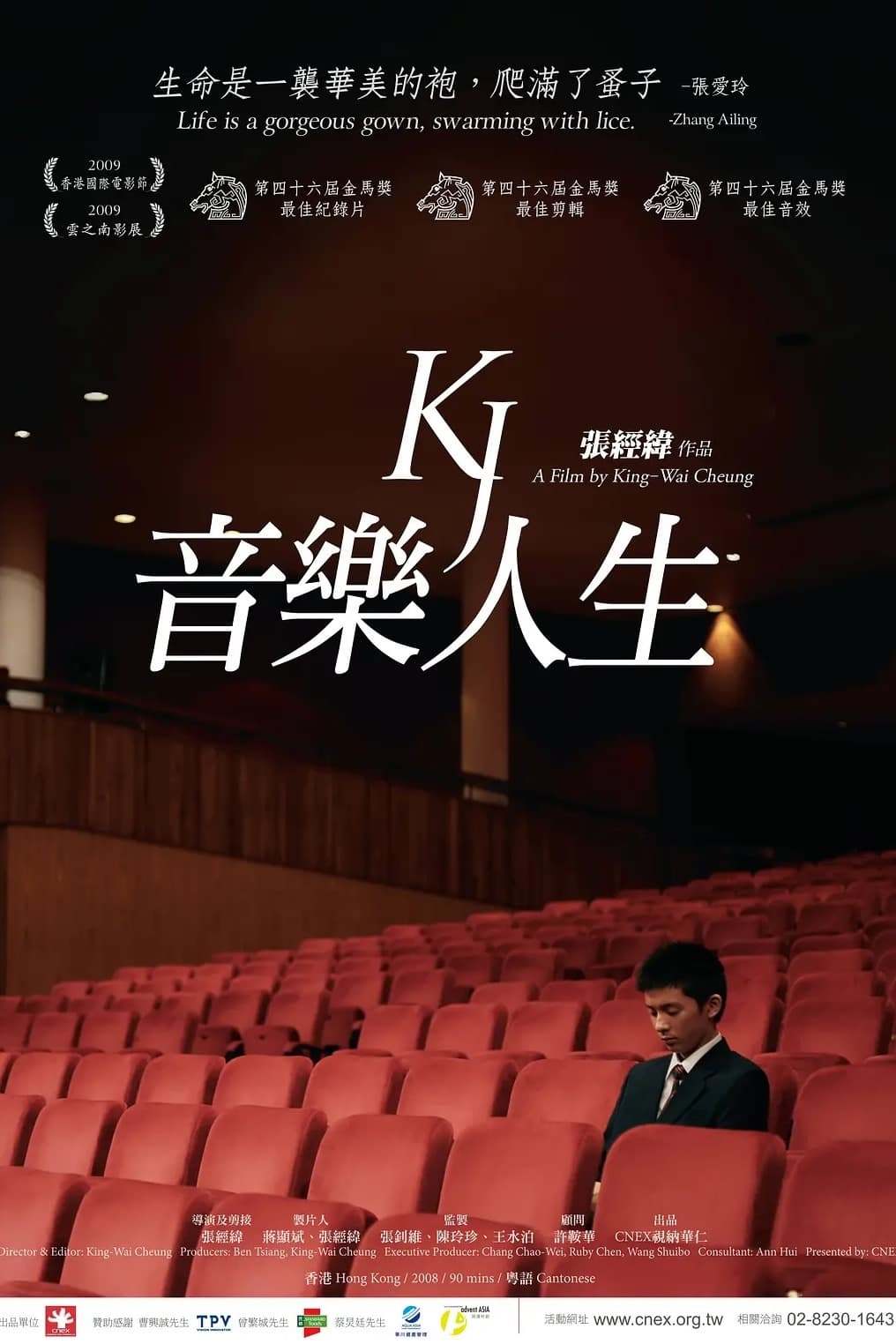
KJ is a biography of a HK musical genius. At the age of 11, KJ won the Best Pianist price and went to Czech to perform with a professional orchestra. Touching on subjects such as the meaning of life, God and the artistic process, the director’s 6-year-conversations with KJ reveal how a young man inspires by his music teacher, Nancy Loo and how he conflicts with his peers and parents. KJ is not about the victory of a genius, but how he learns to be a "human being".
In the Chinese New Year of 2017, Solar and I went together to visit David Zhang who was practicing kung fu on Wudang Mountain. As the three of us interacted, we observed and looked after each other. We also filmed each other to document and reconstruct this experience of listening to each other and growing up.