Short Belgian documentary on volcanos.
Social & External
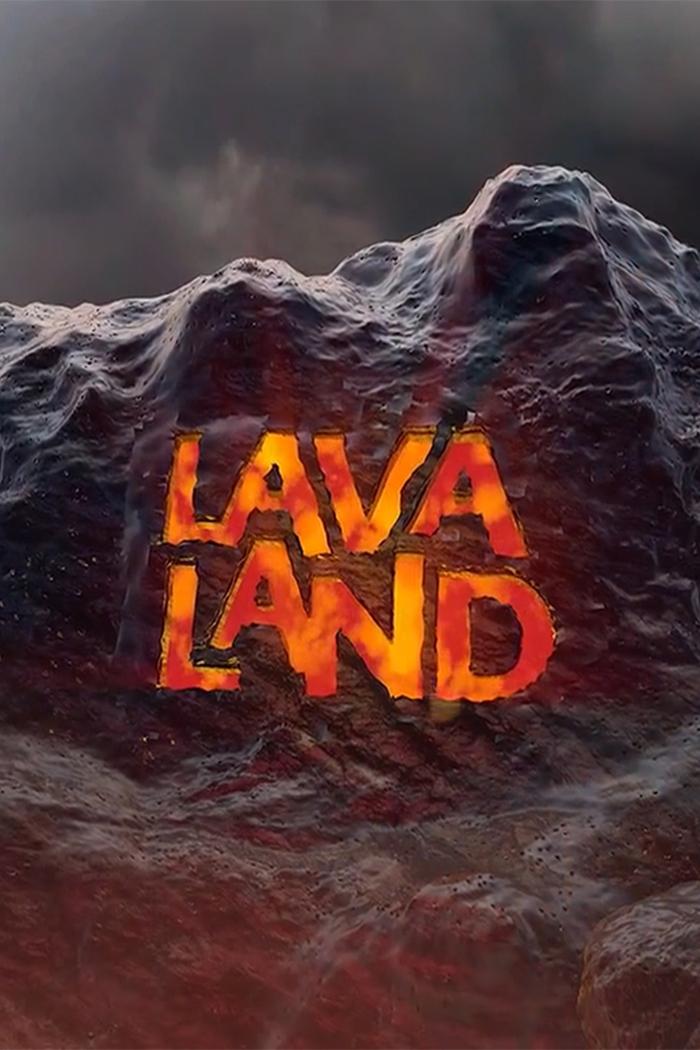
Hawaii, with its tropical rainforests and diverse coral reef is a spectacular natural paradise for travellers, surfers and all fans of breathtaking sandy beaches and lush green mountains. But life on the American island chain also has a dangerous side: permanently active volcanoes, lava caves, and even burning lava pours into the sea! Here you can see black smoke rise up, spray the red-hot magma into the sky and feel how the earth trembles. Located on the Pacific plate is unusual for volcanoes, Hawaii is thus researchers a fascinating destination. At Kilauea, the most active volcano on earth, the inhabitants have to live in constant danger found over the centuries cope. Lava Land - Glowing Hawaii takes you into the world of researchers and residents on the Big Iceland, the largest island of Hawaii.
Ring of Fire is about the immense natural force of the great circle of volcanoes and seismic activity that rings the Pacific Ocean and the varied people and cultures who coexist with them. Spectacular volcanic eruptions are featured, including Mount St. Helens, Navidad in Chile, Sakurajima in Japan, and Mount Merapi in Indonesia.
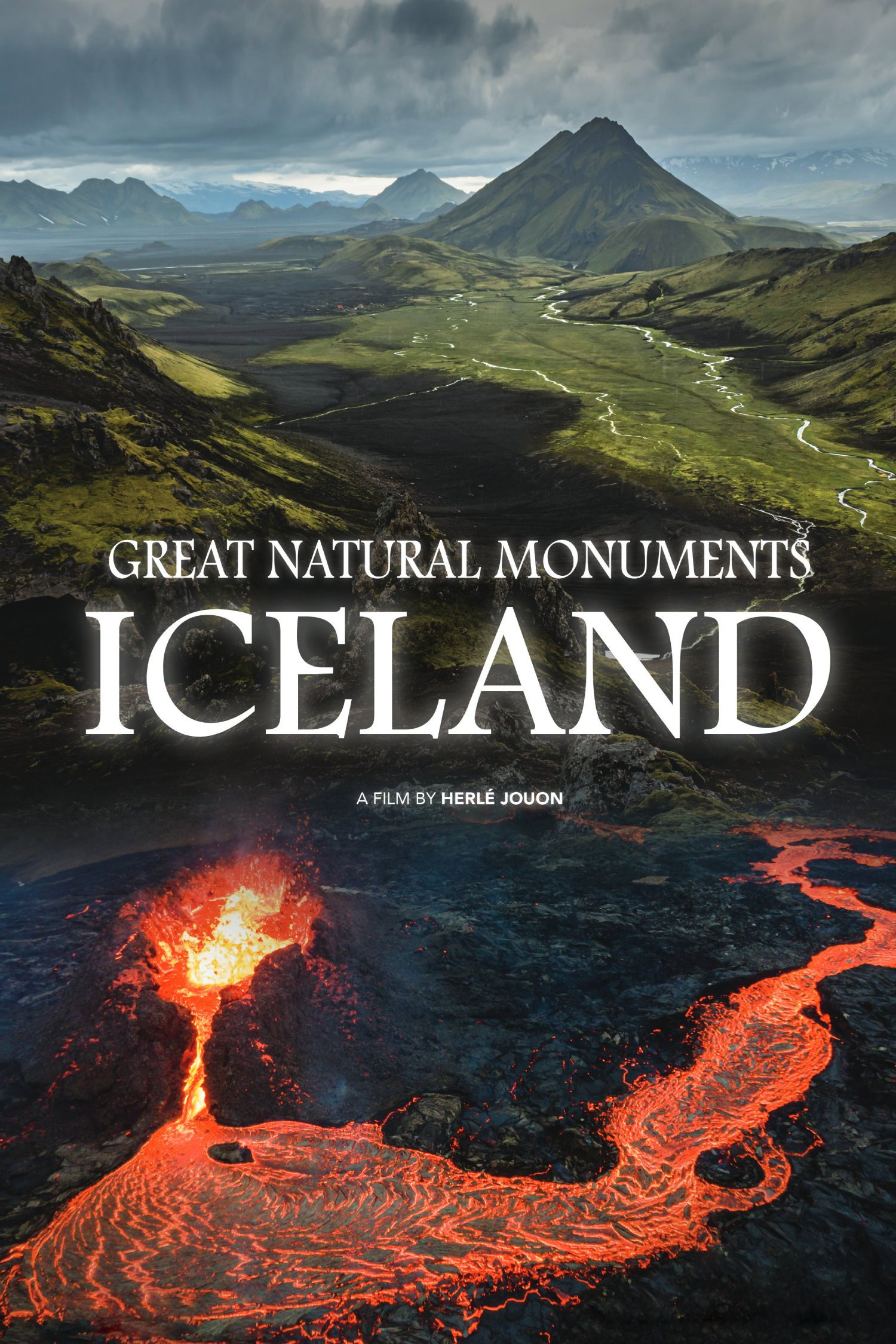
Features volcano watches in Iceland from 1984-91, showing the country's highlands, Askja, Kverkjoll, Herdubreidarlindir, Sprengisandur, and Jokulsa Canyon. Presents Landmannalaugur and the popular trek from this Myvatn, Skaftafell, and glacier bursts from the Grimsvotn and Graenalon lakes. Depicts scenes of winter traveling in Iceland, Reykjavik, the Blue lagoon, Geysir hot spring, the site of Parliament in Thingvellir, and Kulusuk on the east coast of greenland. Includes the earthquake sequence that shook the island in September 1986 and sequences from the volcanic eruptions at Mount Hekla (1947-48, 1970, 1980-81, and 1991), Surtsey (1963-67) Heimaey Island (1973), Lake Myvatn (1975-84) and Grimsvotn Lake (1983).
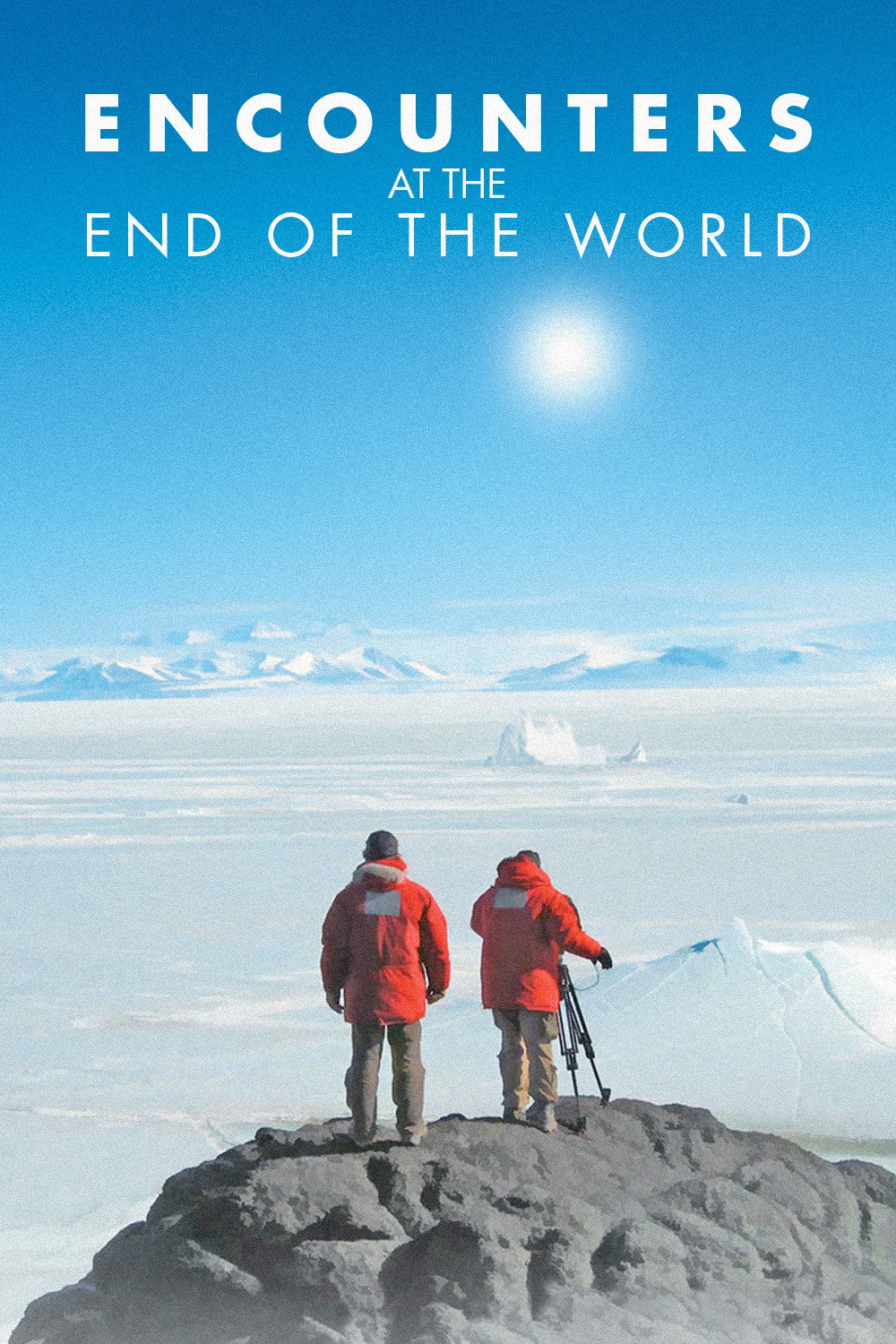
Herzog and cinematographer Peter Zeitlinger go to Antarctica to meet people who live and work there, and to capture footage of the continent's unique locations. Herzog's voiceover narration explains that his film will not be a typical Antarctica film about "fluffy penguins", but will explore the dreams of the people and the landscape.
A TV-hour length documentary film depicting the relationship between language, culture, place, music, tradition, and magic on an active volcano, in the Pacific nation of Vanuatu, on the island of Ambrym.
Werner Herzog takes a film crew to the island of Guadeloupe when he hears that the volcano on the island is going to erupt. Everyone has left, except for one old man who refuses to leave.
A doomed love triangle between intrepid French scientists Katia and Maurice Krafft, and their beloved volcanoes.
Documentaries by Katia and Maurice Krafft feature some of the amazing footage shot by the renowned volcanologists, who perished in 1991 while filming a volcano in Japan. The duo documented more active and erupting volcanos than any other scientists in the world, and their dedication shows in Deadly Peaks and Killer Volcanos, two educational films that capture the scientists on the edge of a hot ash blast and floating on a lake of sulfuric acid. The films visit Mount Kilimanjaro and examine some of the less-known dangers such as carbon monoxide gas that builds under crater-formed lakes. They also take an in-depth look at the eruption of Mount St. Helens and the lengths to which people will go to save their communities. Venturing to places where most people would never dare, the Kraffts gave their lives to promote the study of volcanos and left behind a legacy of courage in the name of science. --Shannon Gee
What life was like in the ancient Roman city of Pompeii moments before it was devastated by the eruption of Mount Vesuvius in A.D. 79.
Marko Röhr's film crew takes the viewer to Europe's last unexplored area: Iceland's unique underwater world. We explore the geysers of boiling waters and the crystal clear lakes off the coast of Iceland. We dive under the icebergs, into the tears between the continental plates and into the deep caves.
After 200 years, the Fugen-Dake volcano awoke in 1991. Journalists, cameramen and scientists flocked to Mount Unzen to study the eruption. For some of them, it would be a fatal choice.
40, 000 years ago the steppes of Eurasia were home to our closest human relative, the Neanderthals. Recent genetic and archaeological discoveries have proven that they were not the dim-witted cave dwellers we long thought they were. In fact, they were cultured, technologically savvy and more like us than we ever imagined! So why did they disappear? We accompany scientists on an exciting search for an answer to this question and come to a startling conclusion …
On August 25th, 79 AD, the Roman cities of Pompeii and Herculaneum were flash-frozen in time when Mount Vesuvius erupted, destroying all life in its path. Noted paleontologist, archaeologist, and forensic physicist Charles Pellegrino is the author of Ghosts of Vesuvius, a fascinating look at this ancient volcanic eruption. In AMERICAN VESUVIUS, Pellegrino uses the emerging science of forensic archaeology to decipher clues and gather evidence that helps him reconstruct the final moments of the victims. Using the same forensic techniques, Pellegrino undertakes an investigation of the ruins of the World Trade Center. By processing evidence and interviewing witnesses, he illustrates dramatic physical parallels between Vesuvius's eruption and the collapse of the Twin Towers. His scientific exploration results in an array of startling connections between the destruction of Pompeii and Herculaneum and the man-made devastation at Ground Zero.
For more than 20 years, Maurice & Katia Krafft have traveled the world. From Iceland to Hawaii, from Africa to Indonesia, they are usually the first to reach the scene of an eruption. Join them as they risk their lives to document the birth of a volcano.
With stunning views of eruptions and lava flows, Werner Herzog captures the raw power of volcanoes and their ties to indigenous spiritual practices.
The first light of dawn. The sound of a boat and the screech of birds fill the wide expanse of sea. Black rocks emerge from the water, the “sciara” – the volcanic scoria – of Stromboli, the underwater sulfurous emanations, the layers of reddish rock eroded by the sea. The roar of the volcano can be heard, the flames and the liquid lava are thrown skyward. As nature unleashes itself, the fishermen row toward the shore, the sheep stray and the women return home.