The player of Jia Zhangke's early film "Xiao Wu" and the famous independent film activist Wang Hongwei talked about Chinese independent films at the IFF Independent Film Forum.

Social & External
Unknown Role
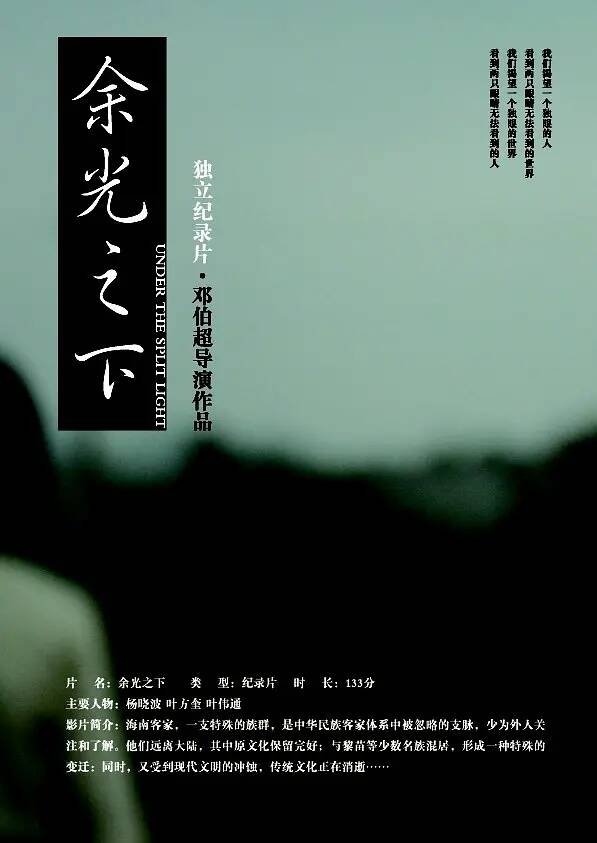
The little-known Hunan Suining County is an ordinary but full of magical places. As the theoretical point of the rocket wreckage launched by the Xichang Satellite Launch Center, it has greeted the rocket wreckage from the sky dozens of times in the past 20 years since 1990. This mysterious and dangerous “out-of-town visitor” broke the poor and peaceful life of the 160,000 locals in the jurisdiction. 2008 is China's "Olympic Year" and "Aerospace Year." The people of Suining, like the people of the whole country, are looking forward to the Olympics to pay attention to the Olympics and are proud of the growing strength of the comprehensive national strength including aerospace strength. They also have to bear the fate of falling from the sky.
Documentary about a man called Xiaolizi.
Yu Guangyi's stunning debut explores a grueling winter amongst loggers in Northeast China as they employ traditional practices through one last, fateful expedition. For generations, the lumberjacks of Heilongjiang, China have made their living harvesting timber amidst a barren, wintry landscape. These woodcutters confront the elements, living in makeshift cabins surrounded by snow and ice. Hand tools, sleds and horses are the only technology they employ to drag massive trees down the perilous slopes of Black Bear Valley. At constant risk of injury and death, they attempt to appease the mountain gods with ancient rituals and sacrifices. Despite their heroic efforts to subsist, the deforestation caused by their decades-long customs may lead to their ultimate demise.
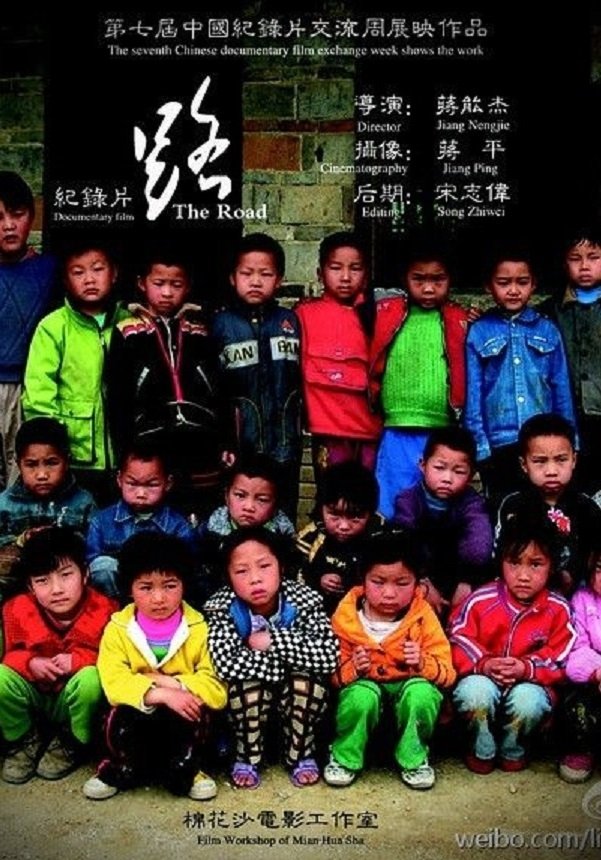
A highway is waiting to go through a quiet village in Hunan, a province in central China where Mao was from. Due to the high cost of construction, construction companies and migrant workers who live on road work rush to here like the tide. In the following four years, they root in this strange place for interests, paying sweat and blood, even their lives. With their arrival, local village and peasants are forced to change their lives. Many hidden interest lines and hidden rules about road construction of the nation are unveiled, together with the shocking truth and emerging secrets.
This film documents the 11th Beijing Independent Film Festival in 2014, from the preparations before the opening ceremony to the process of its forced cancellation, the event which spurred the Cinema on the Edge series. The footage used for the film was captured by audience members, local artists, invited directors and special guests, festival volunteers and workers, as well as journalists and members of the media. It is a film produced by the collective.
In his third film on life and work in the (once) heavily wooded north of China, Yu Guangyi (Survival Song) follows the lonely San Liangzi (46), who for the past ten years has been in love with a woman who doesn’t like men much. Intimate and revealing, but never rude. A moving and human portrait of a group of unemployed and above all lonely men who stayed behind when their wives moved to the city looking for work. They worked in the timber industry in the province of Heilongjiang, but deforestation has taken its toll. For instance, we see 46-year-old San Liangzi. Twelve years ago, he divorced his wife and became unemployed. For 10 years, he has had an eye on Wang Meizi, the only unmarried woman in the area. But the love is not mutual.
After 30 years of cold war, Taiwan and China finally opened cross-strait trade and tourism in 1980. However, through decades of political and educational vilification of their counterparts by the KMT and CCP, and despite close economic and cultural ties, what lies beneath the diplomatic relations is a disconnect and mistrust that cannot be denied. KE is a failed business in Taiwan who hopes to start over as a 'Taiwanese Expat' in Shenzheng, China with a Taiwanese company. Lili, a laborer from China, meets her Taiwanese husband online and moves to Taiwan in hopes of a better life. Both KE and Lili cross the straits in hope of achieving what they cannot find in their homeland. But how much do they really know about that country across the straits?
Six life stories of German, Austrian and Ashkenazi Jews which intersect in exile in Shanghai. Out of narratives, photographs, documents and new images of the biggest and most contradictory metropolis of the Far East an entity develops in which the historic exile takes and turns on a completely current power and appeal.
This important, patient documentary follows a year in the life of the sidings dwellers who eke out a living, begging, foraging, stealing and sleeping rough near the Baoji railway station in Shaanxi.
17 riders with avarage age 81 decide to follow the dream of their youth and start their journey to ride around Taiwan island.
In 1994, the oil-rich city of Karamay in Northwest China was the site of a horrible fire that killed nearly 300 schoolchildren. The students were performing for state officials and were told to stand by while the officials exited first. After the fire, the story was heavily censored in the Chinese state media. To this day, the families of Karamay have not been allowed to publicly mourn their children.
Xu Xin’s film “Dao Lu” (China 2012) offers an exclusive “in camera” encounter with Zheng Yan, an 83 year-old veteran of the Chinese Red Army, who calmly relates how he has navigated his country’s turbulent history over three-quarters of a century.Born to a wealthy family in a foreign concession, Yan joined the Chinese Communist Party (CCP) in 1941 because he sincerely believed in the socialist project, and in its immediate capacity to free China from the Japanese yoke and eradicate deep-rooted corruption.
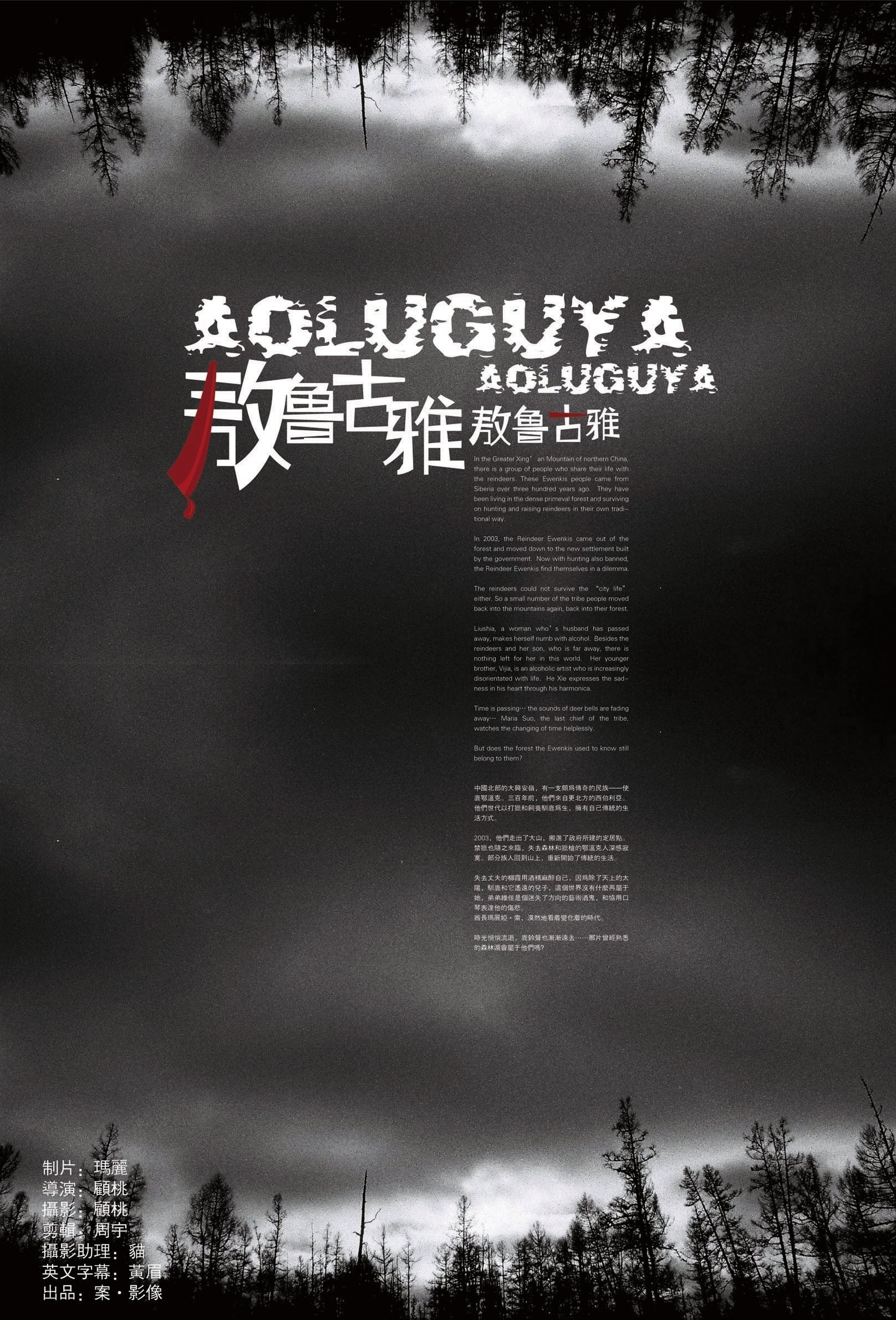
Aoluguya, Aoluguya is the first film in Gu Tao’s Ewenki Trilogy. A tale that unfolds in the Aoluguya forest, featuring such unique characters as a mother who dulls her sadness over the absence of her son, Yuguo, with alcohol; her brother; and Maria, the tribal chieftain who watches over them.
To commemorate the 70th anniversary of the victory of WWII, this documentary film describes the eight years of dauntless air-force fighting of the republic of China during the Anti-Japanese War, with only 300 combat-capable aircraft from China while Japan had over 2000.
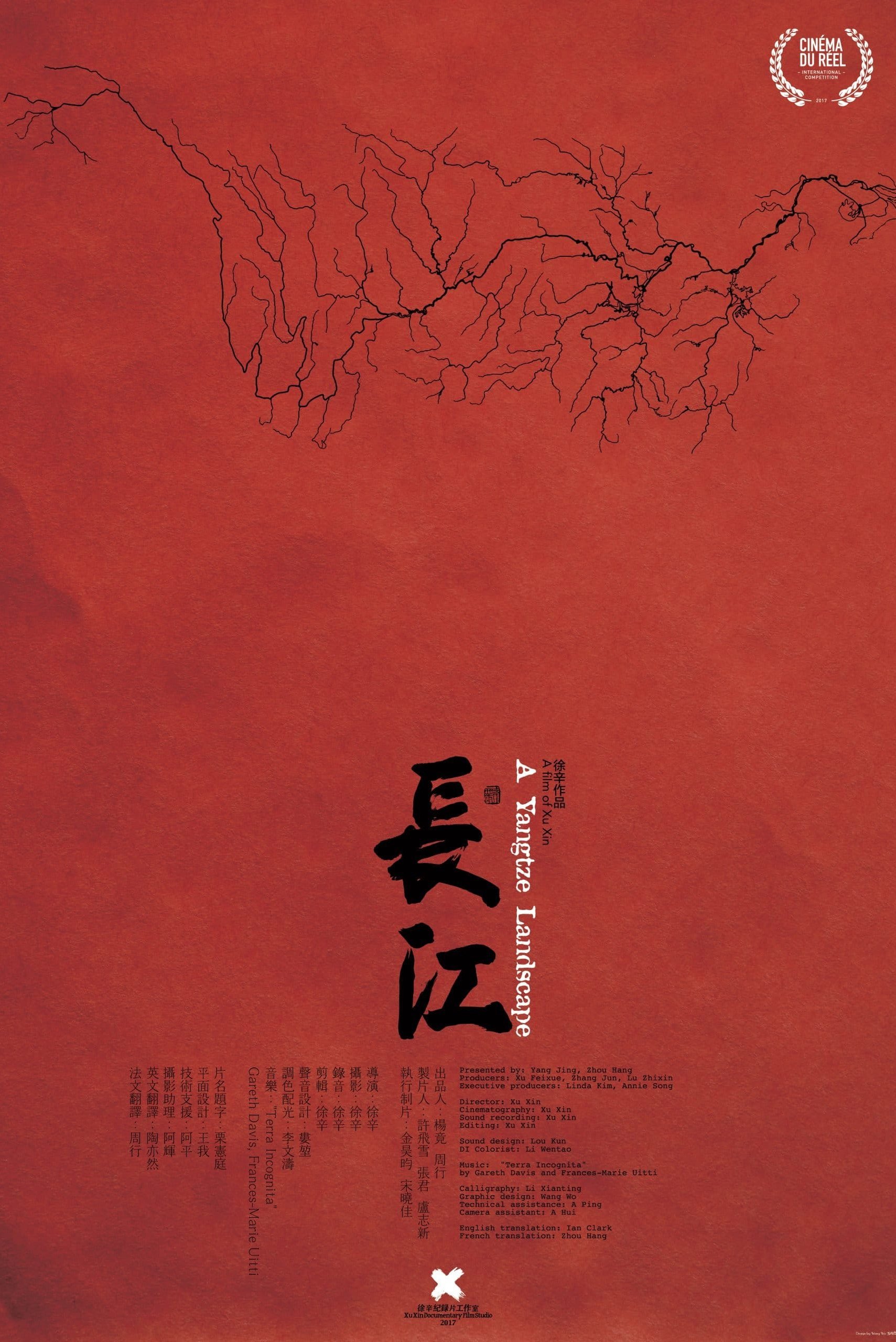
A Yangtze Landscape utilizes a non-narrative style, setting off from the Yangtze's marine port Shanghai, filming all the way to the Yangtze River's source, Qinghai/Tibet - filming a total distance of thousands of kilometers. Experimental music and noise recorded live on scene are used in post-production, painstakingly paired with relatively independent visuals, creating a magically realistic atmosphere contrasted with people seeming to be 'decorative figures' right out of traditional Chinese landscape scrolls.
Set in a quasi-ghost town that once thrived with oil in China's arid northwest, Yumen is a haunting, fragmented tale of hungry souls, restless youth, a wandering artist and a lonely woman, all searching for human connection among the town's crumbling landscape. One part "ruin porn", one part "ghost story”, and entirely shot on 16mm, the film brings together performance art, narrative gesture, and social realism not only to play with convention and defy genre, but also to pay homage to a disappearing life-world and a fading medium.

KJ is a biography of a HK musical genius. At the age of 11, KJ won the Best Pianist price and went to Czech to perform with a professional orchestra. Touching on subjects such as the meaning of life, God and the artistic process, the director’s 6-year-conversations with KJ reveal how a young man inspires by his music teacher, Nancy Loo and how he conflicts with his peers and parents. KJ is not about the victory of a genius, but how he learns to be a "human being".
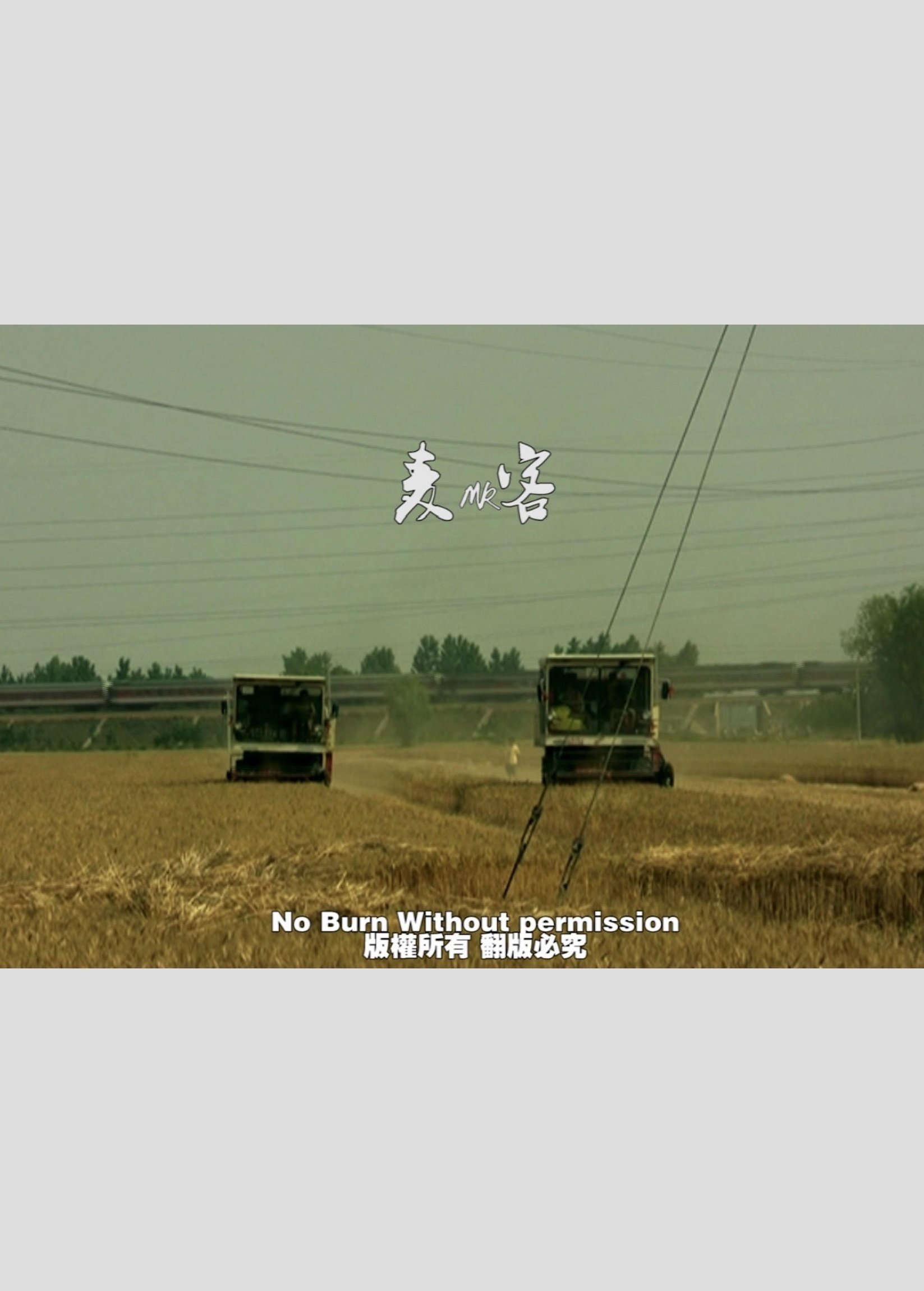
The story took place in 2008. Henan Guo Hui, who was a harvester, went to the provinces to harvest wheat for him. He and his father then invited a driver and set off. I went to Shanxi, Shaanxi, and also included Henan. They met other mairs to talk about the earthquake in Sichuan and talk about the difficulties of collecting wheat. Bargaining with the farmers, thinking of the law less to give the leader a little commission, sometimes to think of the way to get money, sometimes to think of ways to escape the control of the leader. The driver complained that the car owner was too bad, and the owner complained that the driver had eaten too much. In the middle of the road, I also encountered the need to collect the toll, and finally met the young and confused.